

Signs Your Air Conditioner Needs Repair: Don't Ignore These Warnings
May 27th, 2026 by admin
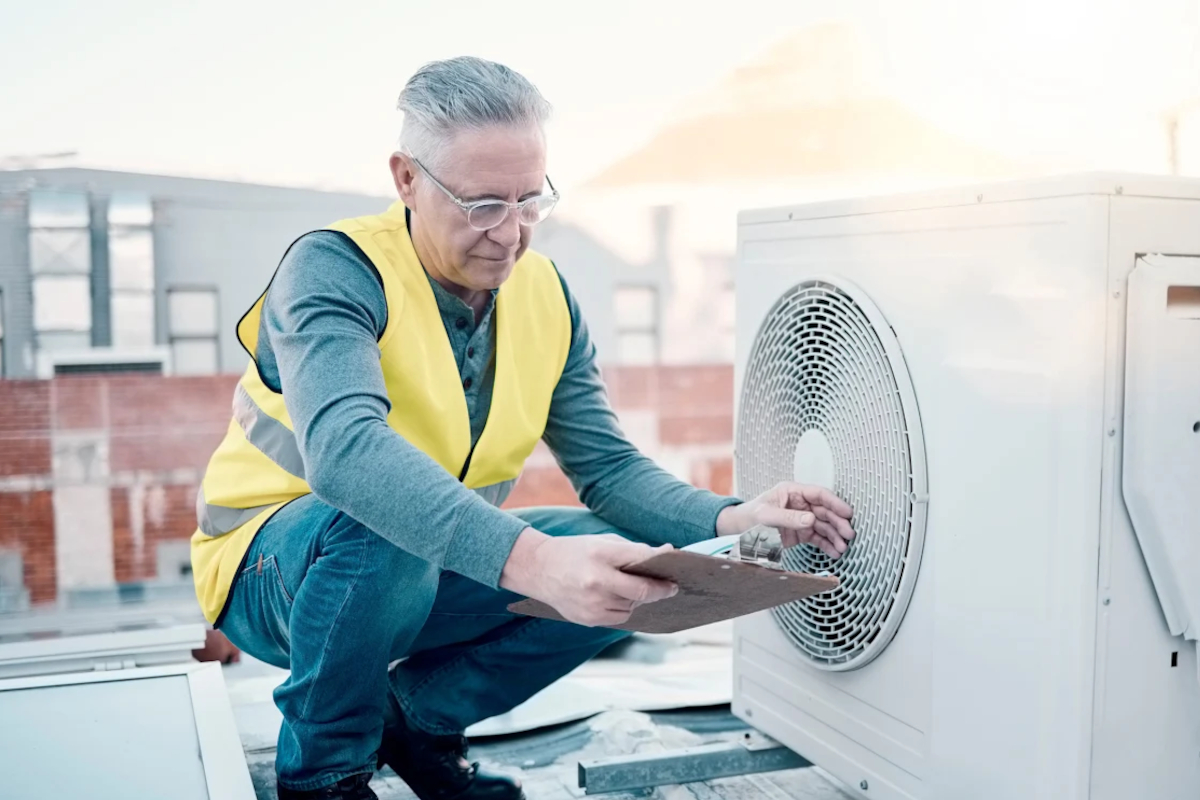
Don't Wait Until Your Air Conditioner Breaks Down
Your air conditioner works hard to keep your home comfortable during hot weather, but like any mechanical system, it can develop problems over time. The good news is that most AC issues give you warning signs before they turn into complete system failures. Recognizing these early indicators can save you from uncomfortable days without cooling, prevent more extensive damage, and help you avoid costly emergency repairs.
Understanding what your air conditioner is trying to tell you is crucial for homeowners who want to maintain a comfortable, energy-efficient home. Let's explore the most common warning signs that your AC system needs professional attention.
Weak or Inconsistent Airflow
One of the most noticeable signs that something's wrong with your air conditioning system is reduced airflow from your vents. If you place your hand near a supply vent and feel only a weak trickle of air—or if the airflow seems inconsistent throughout your home—your system is struggling.
What Causes Weak Airflow?
Several issues can result in poor airflow from your air conditioning system:
- Clogged air filters: A dirty filter is the most common culprit and the easiest to fix. When filters become blocked with dust, pet hair, and debris, air can't flow freely through your system.
- Ductwork problems: Leaks, disconnections, or blockages in your duct system can prevent conditioned air from reaching your living spaces.
- Failing blower motor: The blower is responsible for pushing air through your ductwork. When it starts to fail, you'll notice a significant decrease in airflow.
- Frozen evaporator coil: Ice buildup on the evaporator coil restricts airflow and indicates other underlying problems with your system.
- Compressor issues: A failing compressor can't properly circulate refrigerant, resulting in poor cooling performance and reduced airflow.
Why Weak Airflow Matters
Reduced airflow doesn't just affect your comfort—it forces your system to run longer to reach your desired temperature, increasing wear on components and driving up energy costs. Some rooms may become uncomfortable while others remain too cold, creating uneven temperatures throughout your home.
Unusual Noises Coming From Your AC Unit
Your air conditioner should operate relatively quietly, with only the gentle hum of the compressor and the whoosh of air through vents. If you're hearing sounds that seem out of the ordinary, your system is likely experiencing mechanical problems that require attention.
Common AC Noises and What They Mean
Different sounds indicate different problems with your air conditioning system:
- Grinding or squealing: These high-pitched sounds typically indicate bearing problems in the blower motor or a worn-out belt. Continuing to run your system with these noises can lead to motor failure.
- Banging or clanking: Loud banging suggests loose or broken internal components. A connecting rod, piston pin, or crankshaft could be damaged, requiring immediate attention.
- Hissing or bubbling: These sounds often point to refrigerant leaks, which not only reduce cooling efficiency but can also be harmful to the environment and your health.
- Clicking: While a single click when starting or stopping is normal, repeated clicking sounds may indicate an electrical problem or a failing thermostat.
- Rattling: This usually means something has come loose—possibly debris in the outdoor unit, loose screws, or aging components that need tightening or replacement.
- Buzzing: A buzzing sound can indicate electrical issues, a failing compressor, or loose parts in your outdoor unit.
Don't Ignore Strange Sounds
Unusual noises rarely resolve themselves. In fact, continuing to operate your air conditioner when it's making strange sounds can transform a minor repair into a major system replacement. If you hear any concerning sounds from your AC unit, it's time to schedule a professional inspection.
Higher Than Normal Energy Bills
Have you noticed your electricity bills creeping upward even though your cooling habits haven't changed? Your air conditioner could be the culprit. An inefficient AC system works harder and runs longer to maintain your desired temperature, consuming significantly more energy in the process.
Why AC Problems Increase Energy Costs
Several AC issues directly impact your energy consumption:
- Refrigerant leaks: When your system is low on refrigerant, it must run continuously without ever adequately cooling your home, wasting enormous amounts of energy.
- Dirty condenser coils: The outdoor unit's condenser coils release heat from your home. When they're covered with dirt, grass clippings, or other debris, your system can't efficiently release heat and must work much harder.
- Aging components: As parts wear out, they lose efficiency. Motors draw more power, seals allow air leaks, and the compressor struggles to maintain proper pressure.
- Thermostat problems: A malfunctioning thermostat can cause your system to run unnecessarily or fail to reach the set temperature, leading to constant operation.
- Improper maintenance: Systems that haven't received regular professional maintenance accumulate efficiency-robbing problems over time.
Calculating Your AC's Energy Impact
To determine if your air conditioner is causing high energy bills, compare your current bills to the same months from previous years. A 10-15% increase might be normal due to rate changes or weather variations, but anything beyond that suggests an efficiency problem worth investigating.
Additional Warning Signs to Watch For
Warm Air Blowing From Vents
If your air conditioner is running but blowing warm or room-temperature air, you have a serious problem. This could indicate refrigerant issues, compressor failure, or ductwork problems that need immediate attention.
Moisture or Leaks Around Your Unit
While some condensation is normal, excessive moisture, puddles around your indoor unit, or active leaks indicate drainage problems or potentially refrigerant leaks. Water damage can occur quickly, and refrigerant leaks pose health and environmental concerns.
Frequent Cycling On and Off
Your air conditioner should run in relatively consistent cycles. If it's constantly turning on and off (short cycling), or if it runs continuously without reaching the desired temperature, something is preventing it from operating normally.
Unpleasant Odors
Musty smells suggest mold growth in your ductwork or unit, while burning odors could indicate electrical problems or overheating components. Either situation requires prompt professional attention.
The Cost of Ignoring Warning Signs
Many homeowners put off AC repairs hoping the problem will resolve itself or trying to squeeze one more season out of a struggling system. Unfortunately, this approach typically backfires. Minor issues escalate into major repairs, small inefficiencies compound into significant energy waste, and eventually, you face a complete system breakdown at the worst possible time—during the hottest days of summer.
Early intervention almost always costs less than waiting until failure occurs. A simple refrigerant recharge might cost a few hundred dollars, but replacing a compressor that failed due to low refrigerant can cost thousands. Cleaning condenser coils is routine maintenance, but replacing a burned-out compressor motor that overheated due to dirty coils is a major expense.
When to Call for Professional AC Repair
Some air conditioning maintenance tasks are suitable for homeowners—changing filters, keeping the outdoor unit clear of debris, and ensuring vents aren't blocked. However, diagnosing and repairing AC problems requires specialized knowledge, tools, and refrigerant handling certification.
You should call for professional AC repair service when you notice:
- Any of the warning signs described above
- Your system is more than 10 years old and showing decreased performance
- Your home takes longer to cool than it used to
- You're adjusting your thermostat more frequently
- Your system hasn't been professionally serviced in over a year
Preventive Maintenance: Your Best Protection
The most effective way to avoid AC problems is through regular preventive maintenance. An annual tune-up before cooling season allows technicians to identify and address small issues before they become big problems. During a maintenance visit, professionals will clean components, check refrigerant levels, test electrical connections, lubricate moving parts, and ensure your system is operating at peak efficiency.
Preventive maintenance extends your system's lifespan, maintains energy efficiency, prevents unexpected breakdowns, and keeps your manufacturer's warranty valid. It's an investment that pays for itself through lower energy bills and avoided repairs.
Don't Wait—Schedule Your AC Inspection Today
Your air conditioner communicates with you through warning signs. Weak airflow, unusual noises, and climbing energy bills are all calls for help that shouldn't be ignored. Addressing these issues promptly protects your comfort, your budget, and your air conditioning investment.
If you've noticed any of these warning signs in your home's cooling system, the experienced technicians at JLS Mechanical HVAC are ready to help. We'll diagnose the problem accurately, explain your options clearly, and restore your air conditioner to reliable, efficient operation. Contact us today to schedule your AC repair service and get back to comfortable, worry-free cooling.
Don't let a small problem become a major headache—call JLS Mechanical HVAC now or reach out through our website to book your appointment. Your comfort is our priority, and we're here to keep your home cool all season long.
Posted in: AC Tips