

Questions to Ask an HVAC Company Before Scheduling an Appointment
April 7th, 2026 by admin
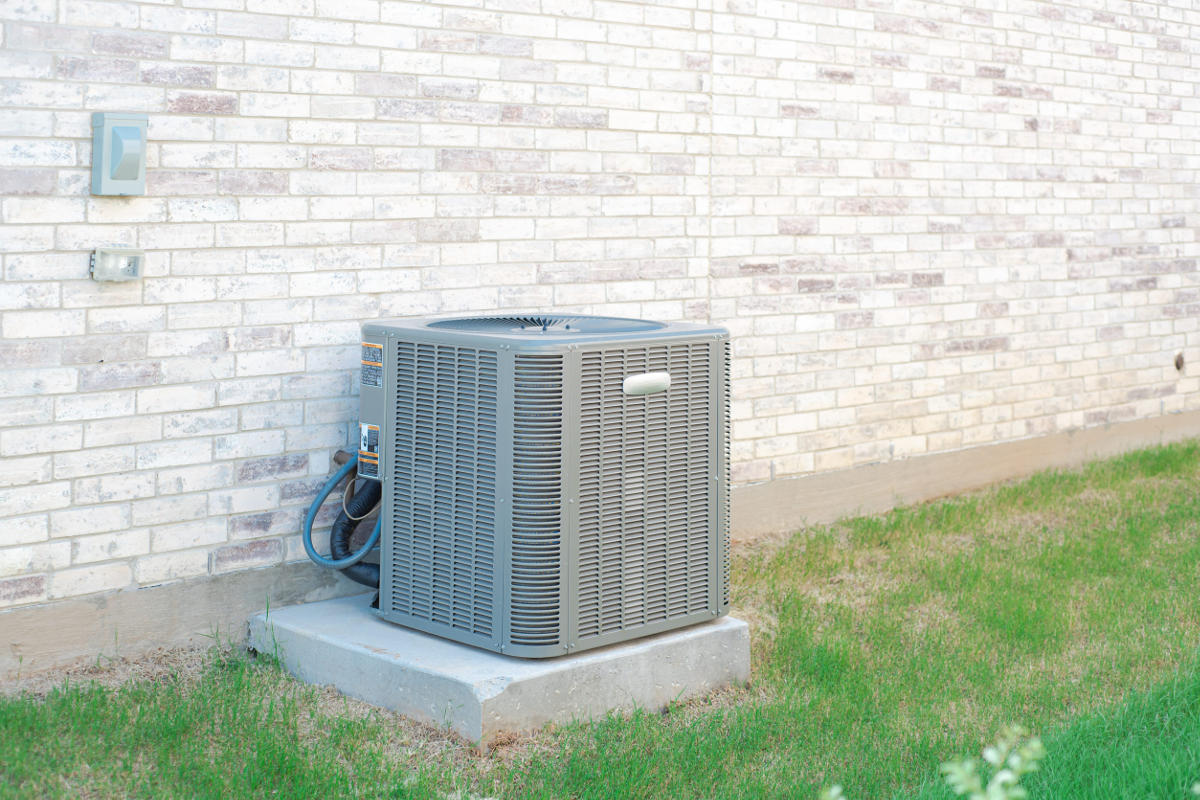
As we move through 2026, home energy audits have become increasingly important for homeowners who want more efficient and cost-effective energy use. One of the most overlooked parts of that process is the condition of a home's windows and the effect they have on cooling performance. This article explores the connection between window efficiency and HVAC operation, showing why any thorough air conditioner service should begin with a close look at heat gain, air leakage, and insulation around the home. When windows allow too much outdoor heat inside, the cooling system has to work harder and longer to maintain comfort. Over time, that added strain can increase utility costs, reduce equipment life, and create uneven temperatures from room to room.
1. Understanding the Importance of Energy Audits
Home energy audits have developed from simple inspections into comprehensive evaluations that help homeowners understand how their homes use and lose energy. In earlier years, audits focused mostly on insulation and heating efficiency, but modern assessments now include cooling systems, lighting, appliances, ductwork, and window performance. This broader approach reflects a growing awareness of sustainable living and long-term household savings. Today's audits are valuable because they uncover the hidden causes of discomfort, such as drafts, solar heat gain, and poor sealing around windows. These details matter because they influence how often an HVAC unit cycles and how effectively it can keep the home cool.
Energy audits also help homeowners prioritize upgrades. Rather than replacing an AC unit immediately, an audit may reveal that leaky windows or outdated glass are the real causes of excess cooling demand. That insight can prevent unnecessary spending and improve results from future repairs or replacements. According to GetJobber HVAC Industry Trends, annual AC maintenance extends system lifespan by 5-10 years while cutting energy consumption 15-25%, addressing the 60% of homeowners experiencing uneven cooling from neglected tune-ups. When paired with improvements like window sealing and insulation, routine air conditioner service becomes even more effective at maintaining long-term performance. In many homes, the combination of better insulation and timely air conditioner service leads to noticeable improvements in comfort, air quality, and monthly operating costs. A well-executed audit provides a clearer roadmap for smarter home improvements.
2. The Role of Windows in Whole-Home Efficiency
Windows play a central role in whole-house energy efficiency because they directly influence heat transfer. During hot weather, inefficient windows allow solar heat to enter the home, raising indoor temperatures and making the HVAC system run longer. During colder months, the same windows can allow indoor heat to escape. This constant thermal exchange affects indoor comfort year-round and makes temperature control more difficult. Even a highly capable cooling system may struggle when windows are poorly sealed or made with outdated materials.
Modern window efficiency depends on several factors, including glass type, frame material, weatherstripping, coatings, and installation quality. A well-performing window reduces drafts, limits unwanted heat gain, and helps maintain a more stable indoor climate. This stability can reduce the workload placed on the HVAC system and support more consistent room-to-room temperatures. Because of that, homeowners often discover that proper window improvements make each air conditioner service visit more effective by addressing the environmental conditions causing excessive strain in the first place.
3. How Inefficient Windows Increase Cooling Costs
Energy inefficiency is one of the main reasons utility bills climb higher than expected, and windows are often a major contributor. Heat entering through older or poorly insulated windows forces an AC system to cycle more often and run for longer periods. That extra runtime increases electrical consumption and creates more wear on moving components, which can eventually lead to repairs. The cost of cooling a home is not determined only by the equipment itself. It is also shaped by how well the home resists outdoor heat.
When windows leak air or admit strong solar gain, homeowners may notice warm spots near certain rooms, reduced comfort in the afternoon, or a system that never seems to fully catch up. Those symptoms are often mistaken for equipment failure when the real issue is building-envelope inefficiency. In many cases, combining window upgrades with routine air conditioner service helps resolve those complaints more effectively than focusing on the unit alone. The result is better performance without unnecessary overuse of the system.
4. Why Window Inspections Matter Before HVAC Repairs
Many homeowners schedule cooling maintenance only after the system starts showing signs of stress. While that response is understandable, it is equally important to inspect the conditions surrounding the equipment. Windows that have cracked seals, aging caulk, poor glazing, or weak insulation can create an environment where even a well-maintained HVAC system performs below expectations. An inspection of these areas can reveal why the unit is cycling too often, struggling to control humidity, or failing to cool evenly.
This is why a complete air conditioner service should include a broader view of household energy performance. If technicians or homeowners focus only on filters, coils, and refrigerant while ignoring thermal loss through windows, the root cause may remain unresolved. Better window performance supports lower equipment demand, which in turn can reduce maintenance frequency and prolong system life. Looking at the full picture often leads to better decisions and more lasting results.
5. Window Types and Their Energy Performance
The design and construction of a window significantly influence its energy performance. Single-pane windows offer minimal insulation and are far more likely to allow heat transfer than modern double-pane or triple-pane options. Newer windows often include inert gas fills between panes, insulated spacers, and specialized coatings that reflect heat while still allowing natural light indoors. These features help reduce cooling demand and create a more comfortable living space.
Frame materials matter as well. Vinyl frames are known for strong thermal performance and low maintenance needs, while wood can provide excellent insulation when properly maintained. Aluminum is durable but generally transfers heat more easily unless it includes a thermal break. Composite frames provide a balance of strength and insulation. Choosing the right combination of glazing and framing can support a more efficient home and allow every air conditioner service appointment to focus on genuine system upkeep rather than recurring comfort complaints caused by heat intrusion.
6. Window Orientation and Interior Comfort
Window placement has a major impact on indoor temperatures. South- and west-facing windows often receive more direct sunlight during the hottest parts of the day, which can sharply increase solar heat gain. In homes with large, unshaded windows in those areas, the cooling system may face heavy afternoon demand even when outdoor temperatures remain manageable. This can cause specific rooms to feel warmer than others and make the entire home seem less efficient.
Energy audits account for orientation because it helps determine where upgrades will have the greatest effect. In some cases, homeowners may benefit from installing shading devices, reflective films, or insulated treatments instead of replacing every window at once. Strategic improvements based on location and climate can reduce cooling loads without major disruption. When combined with targeted air conditioner service, these adjustments often improve both comfort and equipment performance.
7. The Value of Window Treatments and Sealing
Window treatments can strengthen the benefits of efficient glass and frames by adding another layer of protection against unwanted heat. Insulated curtains, cellular shades, and reflective films help block solar gain during summer and reduce indoor heat loss during colder months. These upgrades are often more affordable than full replacements and can make a meaningful difference in rooms with high sun exposure. Proper sealing around frames also matters because small air leaks can undermine even a well-designed window.
A smarter cooling strategy combines efficient windows, effective sealing, proper shading, and routine air conditioner service to reduce strain on the system and improve indoor comfort. This whole-home approach supports lower energy use, more stable temperatures, and better long-term value. Instead of treating cooling issues as isolated equipment problems, homeowners can solve them at the source and create a more efficient living environment that performs better in every season. Contact JLS Mechanical HVAC, LLC today and learn more about our HVAC services.
Posted in: AC Tips