

How to Avoid Complete AC Failure During Peak Summer
August 15th, 2026 by admin
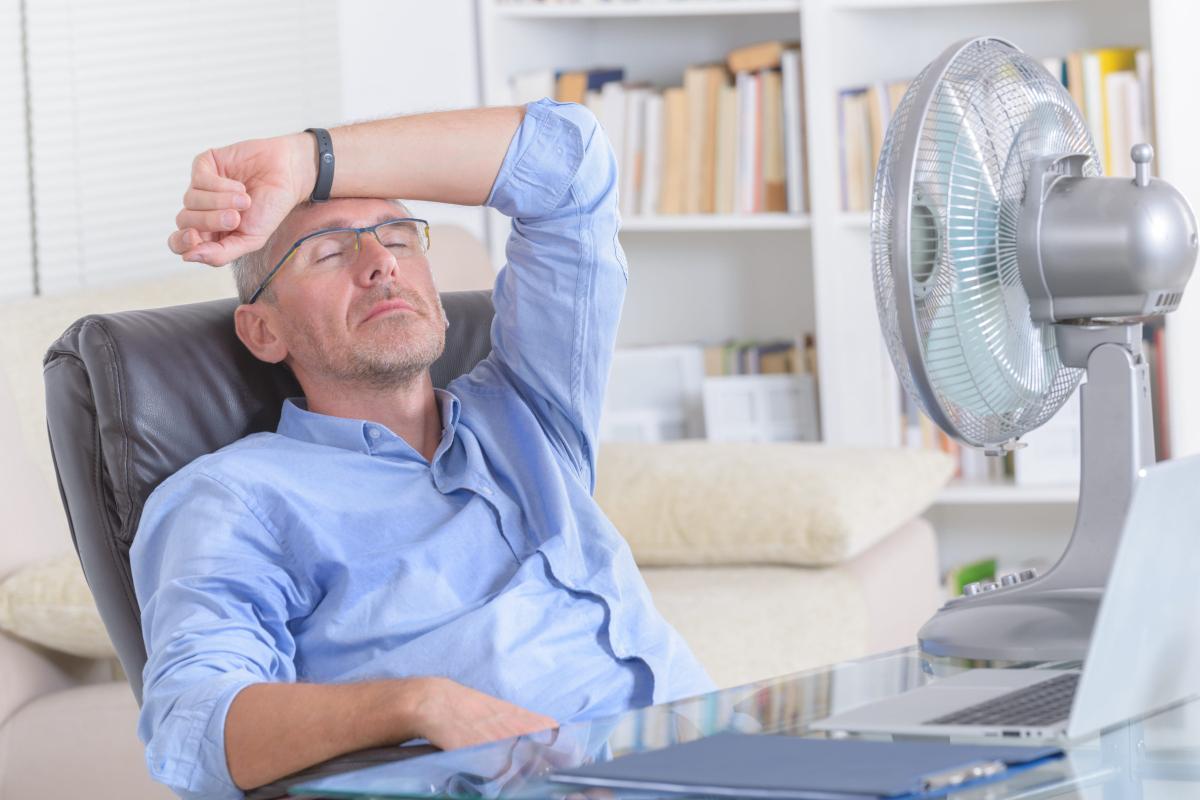
Don't Let Your AC Leave You in the Heat
There's never a good time for your air conditioner to fail, but a complete breakdown during the hottest days of summer can be more than just uncomfortable - it can be dangerous and expensive. The unfortunate reality is that most AC failures happen during peak season when systems are working their hardest and HVAC companies are busiest with emergency calls.
The good news is that most complete air conditioner failures don't happen without warning. By understanding what causes AC systems to fail and taking proactive steps, you can significantly reduce the risk of being left without cooling when you need it most. Here's everything you need to know to keep your air conditioner running reliably throughout the summer.
Why Air Conditioners Fail During Summer
Air conditioning systems face their greatest stress during peak summer months. When outdoor temperatures soar and your AC runs for extended periods, every component works harder than usual. This increased demand reveals existing weaknesses and accelerates wear on aging parts.
Several factors contribute to summer AC failures:
- Continuous operation: When temperatures stay high day and night, your system gets little rest between cooling cycles
- Neglected maintenance: Minor issues that went unnoticed during milder weather become critical under heavy use
- Dirty components: Accumulated dust and debris restrict airflow and force the system to work harder
- Low refrigerant: Insufficient coolant makes your AC struggle to achieve desired temperatures
- Electrical strain: Increased runtime stresses electrical components and connections
- Age-related wear: Older systems simply have less capacity to handle sustained demand
Spring Preparation: Your First Line of Defense
The best time to prevent summer AC failure is before summer arrives. Spring preparation ensures your system is ready for the challenges ahead.
Schedule Professional Maintenance
A professional repair and maintenance visit before cooling season should be non-negotiable. During this service, a qualified technician will inspect all critical components, clean essential parts, check refrigerant levels, test electrical connections, and identify potential problems before they cause failures.
Early spring is the ideal time to schedule this service. You'll avoid the rush that comes with the first heat wave, get better scheduling flexibility, and ensure any necessary repairs happen before you depend on your AC daily.
Replace Your Air Filter
A clean air filter is one of the simplest yet most important factors in AC reliability. Dirty filters restrict airflow, forcing your system to work harder and potentially causing the evaporator coil to freeze. Before summer starts, install a fresh filter and mark your calendar to check it monthly during heavy-use months.
Clear the Outdoor Unit
Your outdoor condenser unit needs adequate airflow to function efficiently. Remove leaves, grass clippings, and debris from around the unit. Trim back vegetation to maintain at least two feet of clearance on all sides. Gently clean the condenser fins with a garden hose, spraying from inside out to remove accumulated dirt.
Warning Signs That Require Immediate Attention
Even with proper preparation, problems can develop during the season. Recognizing warning signs early allows you to address issues before they lead to complete failure.
Reduced Cooling Performance
If your home isn't reaching the set temperature or takes much longer to cool down than usual, something is wrong. This could indicate low refrigerant, a failing compressor, ductwork problems, or restricted airflow. Don't ignore reduced performance - it's your system telling you it needs help.
Unusual Noises
Air conditioners should run relatively quietly. Grinding, squealing, banging, or clicking noises indicate mechanical problems that will worsen without intervention. A grinding sound might mean bearing failure, while banging could indicate loose components that will cause damage if left unaddressed.
Frequent Cycling
Your AC should run in regular cycles, even on hot days. If it's turning on and off every few minutes (short cycling) or running continuously without achieving the desired temperature, the system is struggling. Common causes include thermostat issues, refrigerant problems, or an oversized or undersized unit.
Water Leaks or Excess Moisture
While some condensation is normal, pooling water around your indoor unit or outdoor condensate drain suggests a blockage or malfunction. A clogged drain line can cause water damage to your home and eventually shut down your system's safety switches.
Ice Formation
Ice on your indoor evaporator coil or outdoor refrigerant lines indicates a serious problem - typically restricted airflow or low refrigerant. If you notice ice, turn off your system and contact a professional immediately. Running an AC with ice formation will likely cause compressor failure.
Rising Energy Bills
A sudden spike in cooling costs without a corresponding increase in usage suggests your system is losing efficiency. This inefficiency forces your AC to run longer to achieve the same cooling, increasing both your bills and the risk of component failure.
Mid-Summer Maintenance Tasks
Maintenance doesn't end once summer begins. These ongoing tasks help your system maintain peak performance during the months of heaviest use.
Monthly Filter Checks
During peak season when your AC runs daily, check your air filter monthly. Depending on your system, household size, and whether you have pets, you may need to replace filters every 30-60 days rather than the standard 90 days.
Keep Vents Clear
Ensure supply and return vents throughout your home aren't blocked by furniture, curtains, or other obstructions. Blocked vents restrict airflow and create pressure imbalances that stress your system.
Monitor Thermostat Settings
Avoid setting your thermostat at extremely low temperatures. Your AC can't cool your home faster by setting it lower - it just runs longer. Set realistic temperatures (78°F is recommended for efficiency and comfort) and use ceiling fans to enhance comfort without overtaxing your system.
Regular Outdoor Unit Inspection
Once a month, inspect your outdoor unit for debris accumulation, especially after storms or on windy days. Check that the area remains clear and that nothing is blocking airflow.
When to Call for Professional Help
While homeowner maintenance is important, some situations require professional expertise. Don't delay calling for service when you notice warning signs. Waiting often transforms a simple repair into a complete system failure or major component replacement.
Call a professional immediately if you experience:
- Complete system failure or inability to start
- Ice formation on any components
- Burning smells or electrical odors
- Tripped breakers that won't reset
- Significant water leaks
- Major performance decline despite clean filters and clear vents
The Role of System Age
Even with excellent maintenance, age matters. Air conditioners typically last 15-20 years, but efficiency and reliability decline as systems age. If your AC is over 10 years old and requiring frequent repairs, consider whether continued repairs make sense or if installation of a new, efficient system would be more cost-effective.
Older systems are more prone to summer failures because components wear out, refrigerants become obsolete, and overall efficiency decreases. If your system is approaching its expected lifespan, discuss replacement options before it fails completely during peak season when you have less time to make thoughtful decisions.
Create Your AC Survival Plan
Take action now to protect your comfort and avoid emergency situations:
- Schedule annual professional maintenance before the cooling season begins
- Replace air filters regularly and check them monthly during summer
- Clear and maintain the area around your outdoor unit
- Address warning signs immediately rather than waiting
- Keep the contact information for reliable HVAC service readily available
- Consider system replacement if your AC is aging and requiring frequent repairs
Stay Cool All Summer Long
Complete AC failure during peak summer doesn't have to be inevitable. With proper preparation, regular maintenance, and prompt attention to warning signs, you can significantly reduce the risk of being left without cooling when temperatures soar.
Don't wait until your air conditioner stops working to think about its health. The small investment of time and money in preventive care pays enormous dividends in reliability, efficiency, and peace of mind throughout the summer months.
If your air conditioner hasn't been professionally serviced this year or you've noticed any warning signs, contact JLS Mechanical HVAC today. Our experienced technicians can inspect your system, address potential problems, and ensure your AC is ready to keep you comfortable all summer long. Call us now or visit our contact page to schedule your service appointment.
Posted in: Repair or Replacement