

Energy Bills Going Up? Your AC Might Be the Culprit
July 15th, 2026 by admin
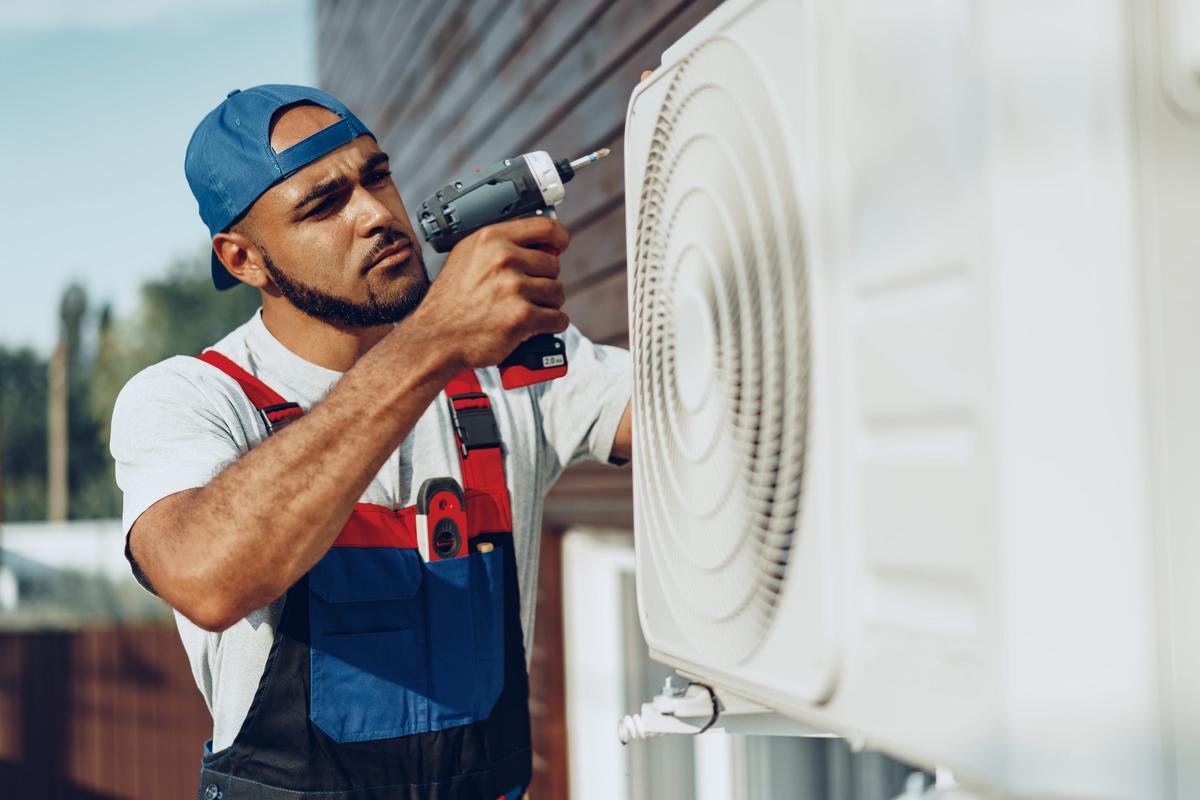
Why Your Air Conditioner Could Be Draining Your Wallet
When you open your electricity bill and see a number that makes you do a double-take, your first instinct might be to blame the utility company or the weather. But before you resign yourself to higher costs, you should take a closer look at your air conditioning system. An inefficient or malfunctioning AC unit is one of the most common reasons for unexpectedly high energy bills, and the good news is that many of these issues are fixable.
Your air conditioner is likely the largest energy consumer in your home during warmer months, accounting for nearly half of your summer electricity costs. When it's not operating efficiently, that percentage can climb even higher, turning an already expensive appliance into a true budget-buster. Understanding the connection between your AC system and your energy bills is the first step toward regaining control of your cooling costs.
Common AC Problems That Increase Energy Consumption
Dirty or Clogged Air Filters
One of the simplest yet most impactful issues is a dirty air filter. When your filter becomes clogged with dust, pet dander, and debris, your system has to work significantly harder to pull air through. This increased strain translates directly to higher energy consumption. A filter that should be changed monthly but hasn't been touched in six months can increase your energy usage by 15% or more.
The solution is straightforward: check your air filter monthly and replace it when it looks dirty. During peak cooling season, you might need to change it every 3-4 weeks, especially if you have pets or live in a dusty area.
Refrigerant Leaks
Refrigerant is the lifeblood of your air conditioning system, responsible for actually removing heat from your home's air. When your system develops a leak and refrigerant levels drop, your AC can't cool effectively. The system runs longer cycles trying to reach your target temperature, consuming more electricity while delivering less comfort.
Signs of low refrigerant include ice buildup on the refrigerant lines, hissing sounds, and rooms that never quite reach the temperature you've set on the thermostat. This isn't a DIY fix—refrigerant leaks require professional repair and maintenance to locate the leak, repair it, and properly recharge the system.
Aging or Undersized Equipment
Air conditioners lose efficiency as they age. A system that's 10-15 years old might be operating at only 60-70% of its original efficiency rating. Meanwhile, modern systems have become dramatically more efficient, with SEER (Seasonal Energy Efficiency Ratio) ratings of 16 or higher compared to older systems with ratings of 8-10.
Similarly, an undersized system for your home's square footage will run constantly without ever properly cooling your space, while an oversized system will cycle on and off too frequently, wasting energy and failing to adequately dehumidify your home. If you suspect sizing issues or your system is approaching or exceeding 15 years of age, it might be time to consider professional installation of a new, properly sized unit.
Dirty Condenser Coils
Your outdoor condenser unit is exposed to the elements year-round. Over time, the coils accumulate dirt, leaves, grass clippings, and other debris. When these coils are dirty, they can't release heat efficiently, forcing your system to run longer to achieve the same cooling effect.
While you can gently clean the exterior of your condenser unit with a garden hose, a thorough cleaning of the coils themselves should be part of your annual professional maintenance visit.
Thermostat Issues
Sometimes the problem isn't with the AC unit itself but with the device controlling it. An improperly calibrated thermostat can cause your system to run when it doesn't need to, or it might be located in a spot that gets direct sunlight or near heat-generating appliances, giving it false temperature readings.
Upgrading to a programmable or smart thermostat allows you to automatically adjust temperatures based on your schedule, potentially reducing cooling costs by 10-15% without sacrificing comfort.
Warning Signs Your AC Is Wasting Energy
Beyond the obvious spike in your utility bills, several warning signs indicate your air conditioner is operating inefficiently:
- Longer run cycles: If your AC seems to run constantly without shutting off, it's working too hard
- Uneven cooling: Some rooms are freezing while others remain warm, indicating airflow or ductwork problems
- Excessive humidity: Your AC should dehumidify as it cools; if your home feels clammy, something's wrong
- Strange noises: Grinding, squealing, or banging sounds suggest mechanical problems that reduce efficiency
- Warm air from vents: If your system is running but not producing cold air, it's consuming energy without providing benefit
- Frequent cycling: Short, frequent on-off cycles waste energy and indicate potential sizing or thermostat issues
Practical Steps to Reduce AC-Related Energy Costs
Schedule Regular Maintenance
The single most effective way to keep your air conditioner running efficiently is regular professional maintenance. An annual tune-up before cooling season begins can identify small problems before they become expensive repairs, clean critical components, and ensure your system is operating at peak efficiency. This preventive approach typically pays for itself through reduced energy costs and helps your system last longer.
Optimize Your Thermostat Settings
Every degree you raise your thermostat during summer can reduce your cooling costs by 3-5%. Setting your thermostat to 78°F when you're home and 85°F when you're away creates a comfortable environment while significantly reducing energy consumption. Using a programmable thermostat automates these adjustments so you don't have to remember.
Improve Your Home's Efficiency
Your air conditioner's job becomes easier when your home retains cool air better. Simple improvements make a significant difference:
- Seal air leaks around windows, doors, and ductwork
- Add insulation to your attic if it's inadequate
- Use ceiling fans to improve air circulation (but turn them off in empty rooms)
- Close blinds and curtains during the hottest parts of the day
- Ensure vents aren't blocked by furniture or curtains
- Consider adding shade to your outdoor condenser unit (without restricting airflow)
Address Ductwork Issues
Leaky or poorly insulated ductwork can waste 20-30% of the air your system produces. If you have ducts running through unconditioned spaces like attics or crawl spaces, having them professionally sealed and insulated can dramatically improve your system's efficiency.
When to Call a Professional
While changing air filters and keeping your outdoor unit clear of debris are homeowner-friendly tasks, many AC efficiency issues require professional diagnosis and repair. You should contact an HVAC professional when:
- Your energy bills have increased significantly without explanation
- Your system is more than 10 years old and experiencing problems
- You notice refrigerant lines freezing or hear unusual noises
- Some rooms won't cool properly despite adjustments
- Your system cycles on and off frequently
- It's been more than a year since your last professional maintenance visit
Professional HVAC technicians have the tools and expertise to diagnose efficiency problems that aren't obvious to homeowners. They can measure airflow, check refrigerant levels, test electrical components, and identify issues that might be silently draining your wallet.
The Investment in Efficiency Pays Off
Whether your high energy bills stem from a simple maintenance issue or indicate the need for a new system, addressing AC efficiency problems is an investment that pays dividends. Regular maintenance costs are modest compared to the energy savings they generate, while a new high-efficiency system can cut your cooling costs in half while providing better comfort.
Don't let your air conditioner continue wasting energy and driving up your bills. Start with the simple fixes—change that filter, clear debris from your outdoor unit, and adjust your thermostat settings. Then schedule a professional inspection to identify any underlying issues that might be costing you money every time your system runs.
Take Control of Your Cooling Costs
Rising energy bills don't have to be an inevitable part of summer. By understanding how your air conditioner affects your electricity consumption and taking proactive steps to maintain efficiency, you can enjoy a comfortable home without the sticker shock when your utility bill arrives.
If you've noticed your energy costs climbing and suspect your AC might be the culprit, don't wait for the problem to get worse. Contact JLS Mechanical HVAC for a thorough system evaluation. Our experienced technicians can identify efficiency issues, provide honest recommendations, and help you make informed decisions about repairs or system replacement. We're committed to helping you achieve optimal comfort at the lowest possible operating cost.
Call us today or visit our contact page to schedule a service appointment and start saving on your energy bills.
Posted in: AC Services