

Emergency AC Repair in Murfreesboro: When Your System Fails
July 1st, 2026 by admin
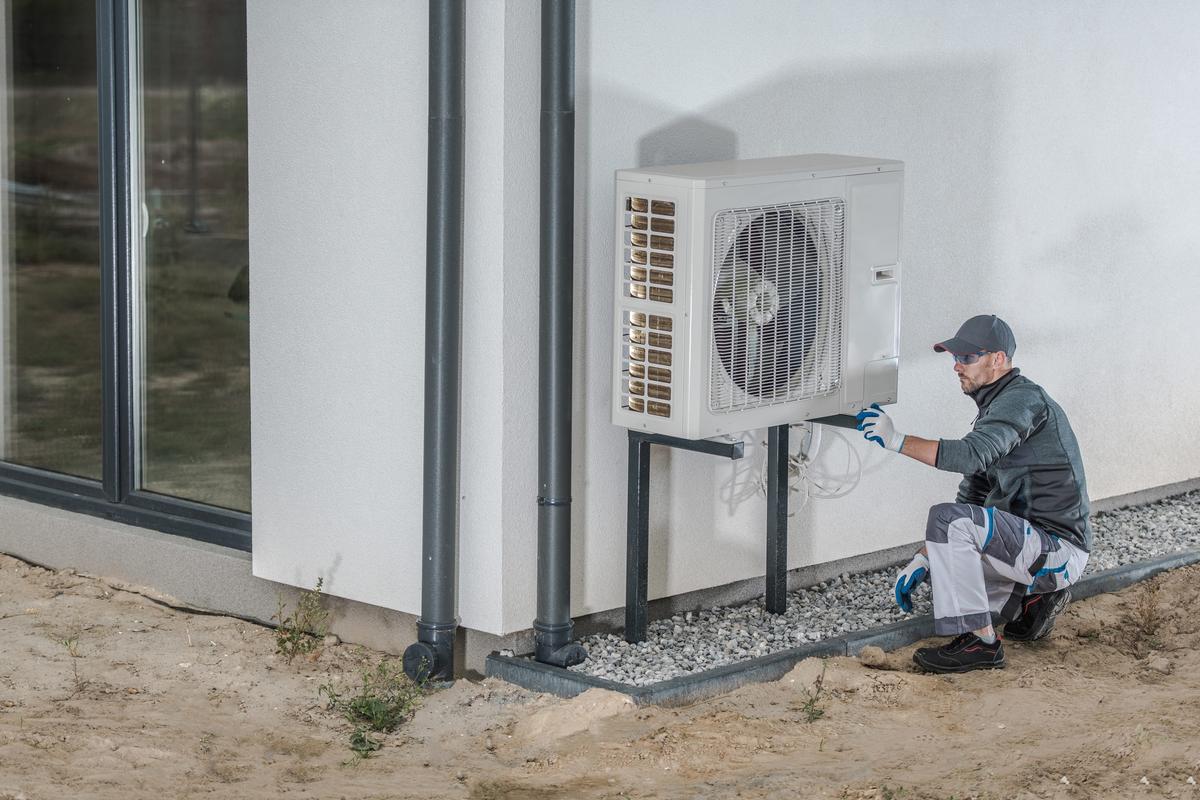
What to Do When Your Air Conditioner Fails Unexpectedly
When your air conditioning system suddenly stops working during a sweltering summer day or your heating fails on a freezing winter night, knowing how to respond can make all the difference. In Murfreesboro, where temperatures can swing dramatically between seasons, HVAC emergencies require swift action to protect your family's comfort and safety.
Understanding the difference between a true emergency and a problem that can wait until regular business hours helps you make informed decisions and potentially save money. This guide walks you through immediate steps to take, how to identify genuine emergencies, and when to call for professional help.
Recognizing a True HVAC Emergency
Not every HVAC problem constitutes an emergency requiring immediate professional attention. True emergencies typically involve safety concerns, extreme discomfort, or situations that could lead to property damage if left unaddressed.
Signs You Need Immediate Professional Help
- Burning smells or smoke: Any smell of burning wires, plastic, or visible smoke requires immediate attention and may warrant calling emergency services
- Gas odors: If you smell natural gas or propane near your heating system, evacuate immediately and call your gas company and emergency services
- Electrical issues: Sparking, repeated circuit breaker trips, or visible electrical damage around your HVAC unit
- Complete system failure in extreme weather: When temperatures reach dangerous levels, especially with vulnerable family members present
- Water flooding: Major leaks that threaten property damage, particularly from frozen or burst pipes
- Carbon monoxide detector activation: Evacuate immediately and call emergency services before contacting HVAC professionals
- Strange mechanical sounds: Loud grinding, screeching, or banging noises that suggest immediate equipment failure
Immediate Steps to Take When Your System Fails
Before calling for emergency service, take these preliminary steps to ensure safety and potentially identify simple fixes:
Safety First Assessment
Check for immediate safety hazards. Look for smoke, sparks, strong odors, or signs of electrical problems. If you detect any of these issues, turn off your system at the breaker and contact professionals immediately.
Check Your Thermostat
This might seem obvious, but thermostat issues cause many service calls. Verify the thermostat is set to the correct mode (heat or cool), the temperature setting is appropriate, and the display is functioning. Replace batteries if needed, as low battery power can prevent your system from receiving signals.
Inspect Your Circuit Breakers
Head to your electrical panel and check if the breaker for your HVAC system has tripped. If it has, try resetting it once. If it trips again immediately, do not keep resetting it—this indicates a more serious electrical problem requiring professional diagnosis.
Examine Your Air Filter
A severely clogged filter can cause your system to shut down as a protective measure. Check your filter and replace it if it's dirty. While this won't fix all problems, it's a simple step that occasionally resolves the issue and is good practice regardless.
Look at Your Outdoor Unit
For air conditioning issues, check your outdoor condenser unit. Ensure it's not blocked by debris, leaves, or vegetation. Verify the unit is receiving power and that no visible damage has occurred. In winter, check that ice hasn't accumulated around the unit.
Summer Emergency Scenarios in Murfreesboro
Murfreesboro summers bring intense heat and humidity, creating situations where AC failure can become genuinely dangerous, particularly for children, elderly family members, and those with health conditions.
Heat-Related Risks
When temperatures climb into the 90s and above, indoor temperatures without air conditioning can quickly become hazardous. Heat exhaustion and heat stroke are real concerns. If your AC fails during extreme heat, take immediate action to cool your home through alternative methods while arranging for professional repair.
Interim Cooling Strategies
While waiting for repairs, close curtains and blinds to block sunlight, use fans to circulate air, stay hydrated, and consider relocating vulnerable family members to a cooler environment like a friend's home, library, or shopping center. Avoid using heat-generating appliances like ovens and dryers.
Winter Heating Emergencies
While Murfreesboro winters are generally mild compared to northern climates, temperatures can still drop to dangerous levels, particularly overnight. Heating system failures in winter carry serious risks including frozen pipes, hypothermia, and property damage.
Protecting Your Home During Heating Failure
If your heating fails in cold weather, open cabinet doors under sinks to allow warmer air to reach pipes, let faucets drip slightly to prevent freezing, and close off unused rooms to concentrate warmth in occupied spaces. Use space heaters cautiously, never leaving them unattended or placing them near flammable materials.
When Cold Weather Becomes Dangerous
If indoor temperatures drop below 55 degrees Fahrenheit, you risk pipe freezing and potential bursting. This threshold makes heating failures during freezing weather a genuine emergency requiring rapid professional response.
What to Expect from 24/7 Emergency HVAC Service
Understanding the emergency service process helps you prepare and communicate effectively with technicians, ensuring faster resolution of your HVAC crisis.
Initial Contact and Assessment
When you call for emergency service, be prepared to describe your problem in detail. Explain what symptoms you're experiencing, any unusual sounds or smells, what troubleshooting steps you've already taken, and whether there are safety concerns. This information helps technicians prepare appropriately and bring necessary parts.
Response Time Expectations
Reputable HVAC companies prioritize emergencies based on severity. Life-threatening situations involving gas leaks or electrical hazards receive immediate response. Complete system failures during extreme weather typically receive service within a few hours. Less urgent issues may be scheduled for the next available appointment.
Emergency Service Costs
Emergency service typically costs more than regular appointments due to after-hours availability, rapid response requirements, and potential overtime for technicians. However, the cost of property damage from frozen pipes or health risks from extreme temperatures often far exceeds emergency service fees. Request a clear explanation of emergency rates when you call.
Preventing Future HVAC Emergencies
While some equipment failures are unavoidable, many emergencies can be prevented through proper maintenance and attention to warning signs.
Regular Maintenance is Essential
Schedule professional maintenance service twice yearly—once before cooling season and once before heating season. Technicians identify potential problems before they cause failures, clean critical components, and ensure your system operates efficiently. This investment in preventive care significantly reduces emergency repair likelihood.
Don't Ignore Warning Signs
Pay attention to unusual noises, reduced performance, higher energy bills, frequent cycling, and inconsistent temperatures throughout your home. These symptoms often indicate developing problems. Addressing them promptly through scheduled service prevents many emergency breakdowns.
Replace Aging Systems Proactively
HVAC systems typically last 15-20 years with proper maintenance. As your system ages, emergency repairs become more frequent and expensive. If your system is approaching the end of its lifespan, consider proactive replacement rather than waiting for a failure during the worst possible weather.
Preparing for HVAC Emergencies
Smart homeowners prepare for potential HVAC emergencies before they occur, making the experience less stressful and ensuring faster resolution.
Keep Important Information Accessible
Maintain a file with your HVAC system's make and model information, installation date, warranty details, and service history. Keep contact information for your trusted HVAC provider easily accessible, including emergency numbers. Store this information where all household members can find it.
Know Your System
Familiarize yourself with your HVAC system's basic operation, including where to find the air handler, outdoor unit, thermostat controls, electrical breakers, and emergency shutoff switches. Understanding your system's normal operation helps you identify abnormal behavior early.
Have a Backup Plan
Identify alternative locations where family members can stay during extreme weather if repairs take time. Consider portable heating or cooling options for temporary relief. Keep emergency supplies including flashlights, batteries, and blankets accessible.
When to Call JLS Mechanical HVAC
Knowing when professional help is necessary protects your family's safety and prevents minor issues from becoming major problems. If you've completed basic troubleshooting without success, notice safety concerns, experience complete system failure during extreme weather, or simply feel uncertain about what's wrong, it's time to call experienced professionals.
JLS Mechanical HVAC understands that HVAC emergencies don't follow business hours. Whether your air conditioning fails during a summer heatwave or your heating stops working on the coldest night of winter, professional help is available when you need it most. Don't wait until discomfort becomes dangerous—reach out for expert assistance at the first sign of serious HVAC problems.
Contact JLS Mechanical HVAC for reliable emergency service throughout Murfreesboro. Our experienced technicians respond quickly to restore your comfort and safety, equipped with the knowledge and tools to diagnose and repair your system effectively. Your family's comfort matters—let us help when your HVAC system lets you down.
Posted in: AC Services