

What Happens During an HVAC Service Call: Our Process Explained
October 1st, 2026
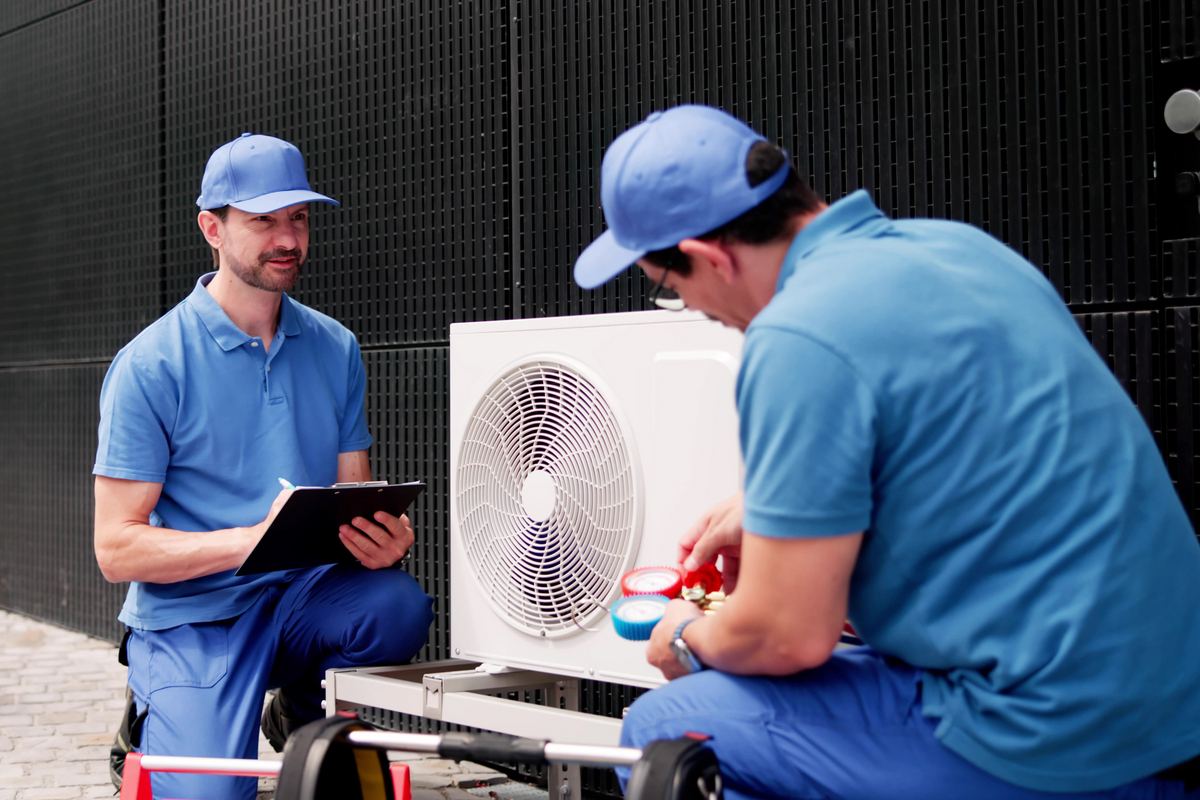
Most homeowners know two things about an HVAC service call: the system stopped working, and someone is coming to fix it. What happens in between is often a mystery. That uncertainty is uncomfortable, especially when you are writing a check for work you cannot see or evaluate. Knowing the process ahead of time changes that. You know what to expect, what questions to ask, and how to tell whether the technician in your home is doing the job right.
Here is the full process we follow on every service call in Smyrna, Murfreesboro, and the surrounding Middle Tennessee communities, step by step.
Step 1: Scheduling and the Questions We Ask Up Front
The process starts before anyone arrives. When you schedule an HVAC service call, we ask a short set of questions: what the system is doing, when it started, what type of equipment you have, and how old it is. A few of these details often point toward the likely cause before the truck is loaded, which means the technician arrives with the right parts and tools instead of making a second trip.
We also confirm whether the visit is routine or urgent. A no-cool call in August is treated differently than a tune-up scheduled weeks in advance, and a system that has stopped entirely gets priority over one that is merely running longer than usual.
Step 2: Arrival and a Conversation Before Any Tools Come Out
When the technician arrives, the first step is not the toolbox. It is a conversation. They will ask you to describe what you have noticed: odd noises, warm air from the vents, short cycling, higher utility bills, or rooms that never seem to reach the thermostat setting.
Your description matters more than most people realize. A customer who says "it runs constantly but never cools" is describing a different problem than one who says "it shuts off after ten minutes." Those details narrow the diagnosis before a single panel is removed.
Step 3: A Full System Inspection
Next comes the inspection. A proper service call covers the whole system, not just the part that seems broken. That includes the indoor air handler, the outdoor condenser, the refrigerant lines, the electrical components, the thermostat, the drain line, and the air filter.
The technician will check refrigerant charge and pressures, test capacitors and contactors, measure voltage and amperage at the motor, inspect the coils for dirt or frost, verify airflow across the evaporator, and confirm the condensate drain is clear. Any of these can cause the symptom you called about, and several of them fail quietly without ever tripping a breaker or throwing an error code.
Step 4: Diagnosis: Finding the Root Cause, Not the Symptom
This is where the visit is won or lost. A weak capacitor and a failing compressor can both cause a system to hum and not start. A clogged filter and a refrigerant leak can both cause a coil to freeze. If a technician replaces the part that failed without understanding why it failed, the same call happens again next month.
Proper diagnosis means tracing the fault back to its source. If a blower motor burned out, we want to know whether it was simply age, or whether restricted airflow forced it to run hot for months. If refrigerant is low, we locate and repair the leak rather than simply topping off the charge and sending you a bill.
Step 5: Explaining the Findings in Plain Language
Once the cause is confirmed, the technician explains it to you in terms you can follow. No jargon, no vague references to "the board" or "the system." You should hear three things: what failed, why it failed, and what happens if it is not addressed.
You should also know when a repair is not the right answer. Sometimes a system is old enough, or the repair costly enough, that putting money into it does not make sense. We would rather tell you that directly than sell a repair that buys six months. If replacement is the better path, we will walk through your options and point you toward professional installation services rather than pushing a decision on the spot.
Step 6: Upfront Pricing and Your Approval
No work begins until you have a price and you have agreed to it. You get a clear breakdown of the parts and labor involved, along with any options that exist. If there is a cheaper path that solves the problem, you hear about it. If there is a more durable fix that costs more up front, you hear about that too, along with the reasoning behind each.
This step is also your chance to ask questions. A technician who cannot explain a repair in plain terms, or who pressures you to decide immediately, is telling you something about how the rest of the relationship will go.
Step 7: The Repair
Repairs are performed to manufacturer specifications using quality replacement parts. Depending on the failure, this can mean anything from a capacitor or contactor swap that takes twenty minutes to a blower motor or compressor replacement that takes considerably longer. If a repair is complex or needs a part we do not carry on the truck, we will tell you the timeline honestly rather than improvising.
Step 8: Testing and Verification
A repair is not finished when the part is installed. It is finished when the system has been run and measured. The technician will cycle the equipment, check the temperature split between return and supply air, verify refrigerant pressures, confirm amp draw on the new components, and make sure the drain is carrying condensate away properly.
You should feel the difference before the technician leaves. If the system is cooling or heating the way it should, that is the confirmation that matters most.
Step 9: Recommendations and Follow-Up
The last part of the visit is looking forward. That means noting anything that is aging but not yet failing, recommending a filter schedule that fits your equipment and household, and being honest about which components are likely to need attention next.
It also means talking about maintenance. Most of the breakdowns we see on emergency calls were preventable with routine service. Regular AC repair and maintenance visits keep coils clean, refrigerant charged, and electrical components within spec, and for heating equipment, annual heating repair and tune-up service does the same before the first cold snap arrives.
How Long Does an HVAC Service Call Take?
A routine maintenance visit typically runs one to two hours. A diagnostic and straightforward repair usually takes two to three hours. Repairs involving major components, refrigerant work, or a part that has to be ordered will take longer, and we will tell you that before we start rather than after.
What You Can Do to Help the Visit Go Smoothly
- Clear access to the equipment: Leave at least two feet of space around the indoor air handler and the outdoor condenser
- Secure pets: Even friendly animals can make it hard to work safely around open panels and moving parts
- Write down what you have noticed: Noises, timing, and which rooms are affected are all useful clues
- Know the system history: Approximate age, last service date, and any recent repairs help the technician move faster
- Ask questions: You are not bothering anyone by wanting to understand the work being done in your home
A Service Call You Can Follow From Start to Finish
A good HVAC service call is not a mystery. It is a sequence: listen, inspect, diagnose, explain, price, repair, verify, and follow up. Each step matters, and skipping any of them is where homeowners end up paying twice for the same problem.
At JLS Mechanical HVAC, we have built the process around that sequence. Whether you are dealing with a system that will not cool, a furnace that will not fire, or equipment that simply needs its annual service, you will know what we found, what it costs, and why it matters before any work begins.
If your system is due for service or acting up right now, contact JLS Mechanical HVAC to schedule your appointment. We serve Smyrna, Murfreesboro, and the surrounding Middle Tennessee area, and we are glad to walk you through what to expect before we arrive.
Posted in: Heating & AC Service