

No Heat in a Tennessee Cold Snap: What To Do Before Help Arrives
November 15th, 2026
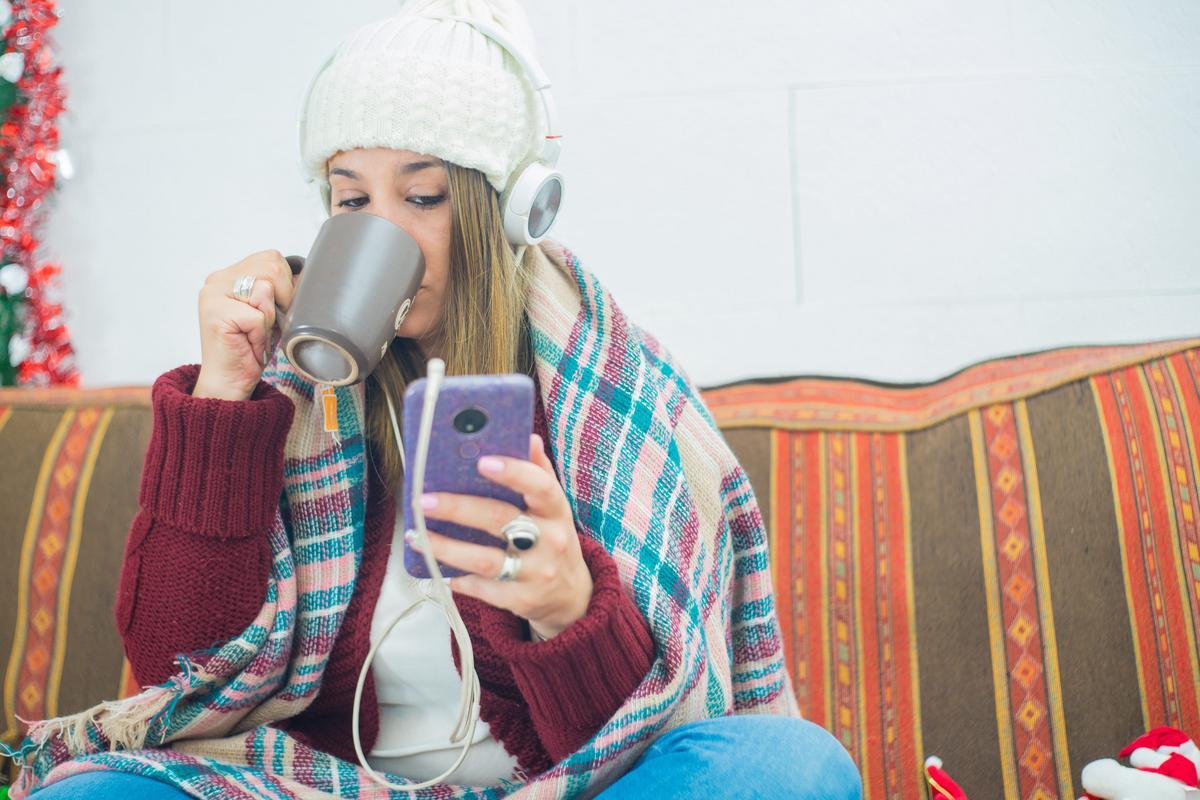
A cold snap in Middle Tennessee rarely announces itself gently. One day the afternoon is mild, and the next the forecast calls for a hard freeze, wind, and maybe ice. If the heat stops working during that stretch, the first few hours matter. A house loses heat faster than most people expect, and pipes in the crawlspace or along an exterior wall can freeze before the indoor temperature feels truly cold.
Some no heat calls are simple settings problems that a homeowner can solve in five minutes. Others are gas, electrical, or equipment failures that need a licensed technician. The steps below separate the two, help you protect the house while you wait, and keep your family safe from the hazards that cause more harm than the cold itself.
Safety First: Three Rules Before You Touch Anything
Before troubleshooting, rule out the dangers that require you to leave the house or call for emergency help.
- If you smell gas, leave. Do not flip switches, use a phone, or light anything inside the house. Get everyone outside, then call 911 and your gas utility from a safe distance. Do not try to relight a furnace or troubleshoot the gas system yourself.
- If a carbon monoxide alarm sounds, get to fresh air and call 911. Carbon monoxide is colorless and odorless. Headache, nausea, dizziness, and unusual sleepiness are warning signs. Do not assume the alarm is faulty.
- Never use an oven, outdoor grill, camp stove, or generator indoors. These produce carbon monoxide and can kill. A generator belongs outdoors, well away from windows, doors, and vents.
If those conditions are not present, you can safely check the simple items below. Stop and call a technician for anything involving gas smells, repeated breaker trips, burning smells, or electrical arcing.
Step 1: Check the Thermostat
Start with the simplest explanation. Confirm the thermostat is set to HEAT, not COOL, OFF, or FAN ONLY. Raise the setpoint several degrees above the current room temperature and wait a few minutes. If the system has a schedule or a hold setting, make sure it is not holding a lower temperature than you expect.
Replace the batteries if the display is blank, dim, or showing a low battery warning, even on a thermostat that is wired to the house. Check the breaker that feeds the thermostat or air handler if the screen stays dead. A smart thermostat that lost its connection can also fail to call for heat, so check the app and the equipment status if you have one.
If you have a zoned system, confirm the zone serving the cold part of the house is calling for heat and that its damper is open. A single failed zone damper can leave one area cold while the rest of the house is comfortable.
Step 2: Check the Power
Open the breaker panel and look for a tripped breaker feeding the furnace, air handler, or heat pump. A tripped breaker sits between ON and OFF rather than fully in either position. Switch it fully off, then back on, once. If it trips again, stop. A breaker that trips repeatedly is protecting the circuit from a real fault, and resetting it over and over can damage equipment or create a fire hazard.
Many furnaces and air handlers also have a dedicated service switch, often a ordinary looking wall switch near the unit or at the top of the basement stairs. Someone may have turned it off during service or cleaning and forgotten to turn it back on. Check it.
For a heat pump, there is usually a disconnect at the outdoor unit. Confirm it is not pulled out or switched off. If the outdoor unit has its own breaker in the panel, check that one as well.
Step 3: Check the Air Filter and Airflow
A heavily clogged filter restricts airflow. On a gas furnace, that can cause the unit to overheat and trip its high limit switch, which shuts the burner down while the blower continues to run. The furnace may start, run for a few minutes, and shut off again in a repeating cycle. On a heat pump, restricted airflow can trip a safety and leave the system blowing cool air.
Replace the filter if it is visibly loaded with dust. Use the correct size and pay attention to the airflow arrow on the frame. Then confirm that the supply registers in the cold rooms are open and not blocked by furniture, rugs, or boxes. Return air grilles need clearance too. A house with closed registers and blocked returns behaves like a house with undersized ducts.
Step 4: Check the Fuel Supply
If you have a natural gas furnace, confirm that other gas appliances still work. A water heater or stove that also lost gas points to a supply problem rather than a furnace problem, and that is a call to your gas utility. Check that the manual gas valve at the furnace is in the open position. The handle should run parallel to the pipe, not across it.
If you heat with propane, check the tank level. A tank that is nearly empty can starve the furnace even if it has not run completely dry, and a propane delivery may be the fastest fix. Do not attempt to repair or adjust the regulator or gas piping yourself.
Listen to the furnace during a call for heat. A normal sequence includes the draft inducer fan starting, the igniter glowing or clicking, the burner lighting, and the blower starting a short time later. If you hear the inducer but no ignition, or the burner lights and shuts off after a few seconds, the furnace is locking out on a safety. That needs diagnosis, not repeated attempts to restart it.
Step 5: Look at the Outdoor Heat Pump Unit
If your home is heated by a heat pump, check the outdoor unit. Clear snow, ice, and leaves away from the top and sides so air can move through the coil. Do not cover the unit, and do not use a shovel, screwdriver, or ice pick to chip ice off the coil. A damaged coil is an expensive repair.
A heat pump goes through a defrost cycle in cold weather. The outdoor fan may stop, steam may rise from the unit, and the auxiliary heat may come on indoors for a few minutes. That is normal. If the unit stays encased in ice for hours, or the ice builds up on the top and sides rather than clearing, the defrost control or reversing valve may have a problem.
If the outdoor unit is buried in a drift, clear it carefully by hand. Make sure the area around it drains and that the defrost water has somewhere to go. A unit sitting in a puddle that refreezes can ice up repeatedly.
Step 6: Check the Condensate Drain
High efficiency furnaces produce condensate as they run. That water normally drains through a PVC line to a floor drain or condensate pump. In a hard freeze, an exterior drain line can freeze shut, or the pump can fail. When the water backs up, a float switch shuts the furnace down to prevent a leak.
Look for water in the drain pan or around the furnace, and check whether the PVC drain line has ice at the point where it exits the house. If you can safely thaw the line with warm air from a hair dryer, do so, then reset the float switch if your unit has a manual reset. If water has been leaking, turn the furnace off at the service switch and call for service.
Protect Your Pipes While You Wait
This is the part homeowners most often skip, and it is where a no heat call turns into a much larger repair. Pipes in the crawlspace, garage, attic, and exterior walls are the most vulnerable.
- Open the cabinet doors under kitchen and bathroom sinks so warm air from the room can reach the plumbing.
- Let faucets drip on exterior walls, both hot and cold. Moving water freezes more slowly than standing water.
- Keep the thermostat at 55 degrees or higher even if you leave the house. Do not turn the system off to save money during a freeze.
- Close foundation vents and garage doors if your crawlspace or garage is exposed to the wind.
- Know where the main water shutoff is before you need it. If a pipe bursts, shutting the water off quickly limits the damage.
- Warm a frozen pipe with a hair dryer or portable heater used safely. Never use an open flame, and never leave a space heater unattended near plumbing.
If a pipe bursts, shut off the main water valve, open the affected faucets, and call a plumber. Water damage compounds quickly, and the heating repair can wait until the water is stopped.
Keep the Family Warm Safely
Close off rooms that are not in use, especially rooms with exposed plumbing. Spend time in the smallest comfortable room, and dress in layers rather than relying on a single heat source. Blankets, sleeping bags, and warm clothing are safer than improvised heating.
Space heaters can help, but they cause house fires when used carelessly. Keep them at least three feet from furniture, bedding, curtains, and paper. Plug them directly into a wall outlet, not an extension cord or power strip. Choose a model with a tip over switch and automatic shutoff, and never leave one running while you sleep or leave the house. Do not use a space heater in a room with a child or pet who might knock it over.
If you use a wood burning fireplace, confirm the damper is open and the chimney is clear before lighting a fire. Do not burn charcoal indoors. Keep a fire extinguisher nearby.
If the indoor temperature is falling toward 55 degrees and you cannot restore heat, consider moving the family to a warmer location for the night. That is especially important for infants, older adults, and anyone with a medical condition that affects temperature regulation.
What Not To Do
Some well intentioned troubleshooting makes the situation worse. Avoid these:
- Do not remove furnace or air handler panels to bypass a safety switch, jump out a limit, or force the blower to run.
- Do not keep resetting a breaker that trips immediately.
- Do not pour hot water on a frozen pipe or use a torch to thaw it.
- Do not run a generator, grill, or camp stove indoors or in a garage.
- Do not block supply or return vents with furniture to redirect heat.
- Do not ignore a burning smell, electrical arcing, or a gas odor.
When To Stop Troubleshooting and Call
Call a heating technician when the basic checks do not restore heat, when the breaker trips again, when the furnace locks out repeatedly, when you see ice that will not clear from a heat pump, when water is leaking from the equipment, or when anyone in the home is at risk from the cold.
JLS Mechanical HVAC handles emergency heating calls in Smyrna, Murfreesboro, and throughout Rutherford County, including nights, weekends, and holidays. Call (615) 474-0648 and describe what the system is doing. Our technicians arrive with common repair parts on the truck, and every repair is backed by a 1 year labor warranty.
What To Have Ready When You Call
A few details help the dispatcher and the technician move faster:
- The address and a callback number
- Whether the system is a gas furnace, electric furnace, heat pump, or dual fuel system
- The brand, model, and serial number if you can see them safely
- What happens when the thermostat calls for heat: nothing, a click, the blower runs but no heat, the burner lights then shuts off, or an error code flashes
- Any error code on the control board or thermostat display
- The age of the equipment and any recent repairs or filter changes
- Whether you smell gas or have a carbon monoxide alarm sounding
- Gate codes, pets, and anything that affects access to the equipment
If the system displays a flashing LED code, count the flashes and note the pattern. That code narrows the diagnosis before the technician arrives.
What the Technician Will Check
A heating diagnosis is not a guess at the most likely part. The technician will verify the thermostat call, check power at the unit, read any control board fault codes, and test the safety switches. On a gas furnace, the visit includes ignition components, flame sensor, gas pressure, temperature rise, venting, and a carbon monoxide check of the heat exchanger and supply air. On a heat pump, it includes refrigerant pressures, defrost operation, reversing valve function, auxiliary heat staging, and outdoor fan operation.
You should receive a clear explanation of the failure, a flat rate price before work begins, and honest advice about whether the repair is worth doing on the age and condition of the equipment.
Prevent the Next Cold Snap From Catching You
Most no heat calls happen on the first hard freeze of the year, when a problem that developed over the summer finally shows up under load. A fall heating tune-up catches those problems on a mild afternoon instead of a freezing night. The visit includes burner and ignition checks, heat exchanger inspection, blower and electrical checks, thermostat calibration, filter service, and a carbon monoxide test on gas equipment.
Between visits, change the filter on schedule, keep the outdoor unit clear, test carbon monoxide detectors, and know where your breakers and gas valves are. Those small habits make a cold snap far less stressful.
If your heat has stopped and you need help, call JLS Mechanical HVAC at (615) 474-0648 or contact us online. You can also learn more about our heating repair services and what to expect during a service call.
Posted in: Heating Repair