

Heat Pump vs Furnace in Middle Tennessee: Which Heating System Fits Your Home?
November 1st, 2026
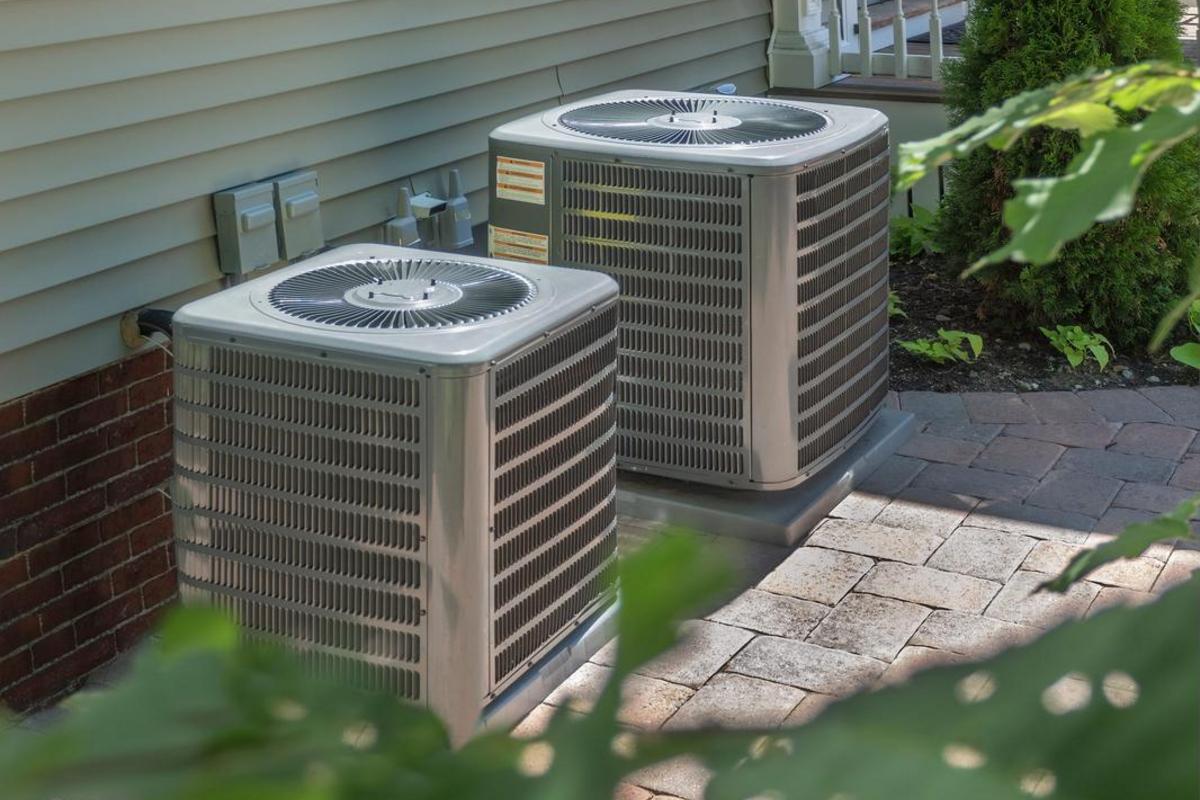
When a heating system reaches the end of its life, homeowners in Smyrna, Murfreesboro, and across Rutherford County face a decision that comes up more often than it used to: heat pump or furnace? Both can keep a Middle Tennessee home warm through the winter. They do it in very different ways, and those differences affect the installation cost, the monthly bill, how the house feels on a cold morning, and how long the equipment lasts.
This comparison is written for the climate we actually live in, not for a generic national average. Middle Tennessee winters are short and mostly mild, but they include hard freezes, ice, and the occasional Arctic front that drops temperatures into the single digits. A heating system has to handle both the ordinary week and the worst week of the year.
How a Heat Pump Heats Your Home
A heat pump does not create heat the way a furnace does. It moves heat from one place to another. In heating mode, the outdoor coil absorbs heat from the outside air, the compressor raises the refrigerant to a higher temperature, and the indoor coil releases that heat into your ductwork. The same equipment reverses in summer and becomes an air conditioner.
It sounds strange to pull heat out of cold outdoor air, but there is usable heat in the air even at 20 or 30 degrees. The compressor and refrigerant circuit concentrate it. Heat pump efficiency is measured in HSPF2 for the seasonal average, and in coefficient of performance, or COP, at a given outdoor temperature. A heat pump can move two to four units of heat for every unit of electricity it consumes in mild weather. That efficiency falls as the outdoor temperature drops, which is the central fact of heat pump ownership in this region.
Modern cold climate heat pumps are built differently from the units installed twenty years ago. Many hold their rated heating capacity down to 5 degrees and continue to operate below zero. Older single stage heat pumps lose capacity much sooner.
How a Furnace Heats Your Home
A gas furnace burns natural gas or propane inside a burner assembly. The flame heats a metal heat exchanger, and the blower pushes air across that hot metal and through the ducts. A condensing furnace captures additional heat from the exhaust gases and can reach 90 to 98 percent AFUE. A standard furnace vents through a metal flue and typically runs around 80 percent AFUE.
An electric furnace uses resistance heating elements instead of a flame. It is simple and dependable, but it is also the most expensive way to heat a home per unit of delivered heat in most electric rate structures.
The supply air from a furnace is noticeably hotter than the supply air from a heat pump. Furnaces typically deliver air in the 120 to 140 degree range. Heat pumps usually deliver air around 90 to 110 degrees. Neither number is a defect. They describe two different approaches to the same job.
The Middle Tennessee Climate Factor
Our winter design temperatures sit in the teens, and the balance of a typical winter is spent well above freezing. That profile favors the heat pump on paper. For most of December, January, and February, a heat pump is running in conditions where it is highly efficient, and it is also the air conditioner you need in July.
The catch is the cold snap. Standard heat pumps reach a balance point somewhere around 25 to 35 degrees depending on the equipment and the house. Below that point, the system cannot keep up with the home's heat loss on its own, so electric resistance strips inside the air handler come on to supplement it. Those strips are efficient at converting electricity to heat, but they are expensive to run compared with the heat pump compressor. A long cold snap can erase some of the savings from the mild weeks around it.
A furnace has no balance point. Its output does not change when the outdoor temperature falls, which is why it feels reassuring during a hard freeze. The tradeoff is that a furnace only heats. If you also need cooling, you will be buying and maintaining a separate air conditioner or heat pump for summer.
Cold climate heat pumps have narrowed this gap considerably. If your priority is all electric operation with strong cold weather performance, ask specifically about equipment rated for low ambient heating, not just a standard builder grade unit.
Efficiency and Operating Cost
Efficiency ratings are only half of the operating cost equation. The other half is what you pay for fuel.
- Natural gas furnace: 80 to 98 percent AFUE, with gas billed by the therm. Natural gas is usually the least expensive heating fuel where a gas main is available, but the price varies by utility and season.
- Propane furnace: similar efficiency, but propane is typically priced much higher per unit of heat than natural gas. Homes outside the gas footprint often feel this difference in January.
- Heat pump: efficiency varies with outdoor temperature, but it can beat propane and electric resistance heating on operating cost in this climate. Whether it beats natural gas depends on current electric and gas rates and on how much of the winter is spent below the balance point.
- Electric furnace: 100 percent efficient at the element, but the most expensive option to operate in most cases.
Insulation, duct leakage, window quality, and thermostat habits can swing a heating bill as much as the equipment choice. A well installed heat pump in a leaky house can cost more to run than a modest furnace in a tight one. Any honest comparison starts with the house, not the box.
Comfort Differences Homeowners Notice
Heat pumps run longer cycles at lower supply temperatures. That produces steadier room temperatures and less on and off cycling, and many homeowners find it more comfortable than the blast of hot air from a furnace. The downside is that the air coming from the registers feels warm rather than hot, especially during a defrost cycle or when the auxiliary strips are staged. Some people interpret that as the system not working. It is usually normal operation.
Furnaces heat quickly and recover fast after a setback. If you turn the thermostat down at night and want the house warm again in twenty minutes, a furnace delivers that. It also tends to dry the air more, which some homeowners notice in their skin and wood floors.
Noise is another difference. A heat pump makes most of its noise outdoors at the condenser. A furnace makes its noise indoors at the burner and blower. Where the equipment sits in your house will shape which one you notice more.
Installation Requirements That Affect the Decision
The equipment you choose has to fit the house you own. A few practical checks come before any brand or efficiency conversation.
Ductwork
Both systems use ducts, but heat pumps move more air at a lower temperature, so duct sizing and sealing matter more. Existing ducts that were marginal for a furnace can underperform with a heat pump. A static pressure check and a duct inspection should be part of the estimate.
Electrical Service
Heat pumps need a 240 volt circuit at the outdoor unit, and electric auxiliary strips can add a substantial electrical load. Some older homes need a panel upgrade or a load calculation before a heat pump with strips can be installed. A furnace uses comparatively little electricity, mostly for the blower and controls.
Gas Service and Venting
A gas furnace needs a properly sized gas line, a flue or PVC vent depending on efficiency, and adequate combustion air. If the home has never had gas, running a line adds cost. If it already has a gas meter and an existing furnace, replacement is usually straightforward.
Space and Drainage
A heat pump needs an outdoor pad with clear airflow and a path for defrost water. A condensing furnace produces acidic condensate that must drain to an appropriate location. Neither requirement is difficult, but both affect where equipment can go and what the install will cost.
Permits and Load Calculation
A proper installation starts with a Manual J load calculation, not a guess based on square footage. Oversized equipment short cycles, dehumidifies poorly in summer, and wears out faster. The same calculation tells you whether a heat pump will need auxiliary heat and how much.
Lifespan, Maintenance, and Repairs
A well maintained gas furnace commonly lasts 15 to 20 years. A heat pump commonly lasts 12 to 15 years because it runs year round and its compressor and reversing valve work in both seasons. These are averages, not promises. Installation quality and annual maintenance move the number more than the label on the door.
Both systems need a fall tune-up. A heat pump service visit includes coil cleaning, refrigerant charge verification, defrost testing, reversing valve operation, blower and capacitor checks, and a look at the auxiliary heat sequence. A furnace visit includes burner cleaning, ignition and flame sensor checks, gas pressure, heat exchanger inspection, venting, and a carbon monoxide test. Skipping those visits is how a small issue becomes a no heat call in January.
Repair costs tend to be higher on heat pumps when a compressor or reversing valve fails. Furnace repairs are often less expensive, with the major exception of a cracked heat exchanger, which can justify replacement on an older unit.
Dual Fuel Systems: The Middle Ground
A dual fuel system pairs a heat pump with a gas furnace. The heat pump handles the mild weeks efficiently, and the furnace takes over below a set outdoor temperature. You get the heat pump's summer efficiency and the furnace's cold snap output, with the thermostat choosing the fuel source automatically.
Dual fuel costs more upfront because there are two pieces of equipment and a more complex control strategy. It makes the most sense in homes that already have gas service, a furnace at or near replacement age, and a homeowner who plans to stay long enough to recover the difference. It is a common and sensible setup in Middle Tennessee for the right house.
Which System Fits Your Home?
There is no universal winner. The right answer depends on the house, the fuel available, and how you use the space.
- Existing gas service and a furnace that is aging out: a high efficiency gas furnace is usually the lowest cost path, especially if the existing ductwork and venting are in good shape.
- All electric home with an aging air conditioner and electric furnace: a heat pump replaces both pieces of equipment and usually lowers winter operating cost at the same time.
- Rural property on propane: a heat pump or dual fuel system often makes more sense than another propane furnace, because propane is expensive per delivered unit of heat.
- Home with solar panels: a heat pump lets you heat with the electricity you produce, which can improve the return on the solar investment.
- Home that needs both heating and cooling replaced: a heat pump or dual fuel system avoids buying a separate furnace and air conditioner.
- Cold sensitive household or frequent hard freezes: a furnace or a dual fuel system provides output that does not fade as the outdoor temperature drops.
- Tight budget and gas already in place: an 80 percent furnace is often the least expensive reliable replacement, though it will cost more to operate than a condensing model.
Two homeowners on the same street can make different choices and both be right. What matters is that the recommendation is based on a load calculation, the condition of the ducts, the fuel available, and a clear explanation of the operating cost tradeoffs.
Getting the Installation Right
The difference between a heat pump that feels cold and one that feels comfortable is usually installation quality, not brand. Correct refrigerant charge, properly sized ducts, a well matched indoor coil and air handler, and a thermostat configured for the equipment all matter. The same is true for furnaces: gas pressure, temperature rise, static pressure, and venting have to be measured and set, not guessed.
Ask for the load calculation, the equipment model numbers, the warranty terms, and the commissioning results. A contractor who cannot explain those items is not giving you a comparison. They are giving you a price.
JLS Mechanical HVAC has installed and serviced both types of systems in Middle Tennessee for 30 years. As a Trane Certified Dealer, with Carrier and Lennox authorization, we are not tied to one product line, and we will tell you when a repair is a better investment than a replacement. Every installation includes permit handling, warranty registration, and a 1 year labor warranty.
Schedule a Heating Consultation
If you are weighing a heat pump against a furnace, the useful next step is a walkthrough of your house and a written comparison, not a sales pitch. We serve Smyrna, Murfreesboro, Milton, La Vergne, Nolensville, and the surrounding Rutherford County area.
Call JLS Mechanical HVAC at (615) 474-0648 or contact us online to schedule a heating consultation, or learn more about our HVAC installation services and heating repair and maintenance offerings.
Posted in: Heating and Air Installation