
Air Conditioner Tips That Lower Your Energy Costs
Staying comfortable during hot weather often means relying heavily on your cooling system. However, running your unit day after day can quickly increase monthly utility bills if it is not operating efficiently. Air conditioners are essential for maintaining a healthy and comfortable indoor environment, especially during extended periods of high temperatures, but they can also become one of the largest energy expenses in a household.
Many homeowners are surprised to learn just how much energy their systems consume. According to the US Department of Energy, cooling equipment accounts for roughly 12% of the electricity used in homes nationwide. When performance declines due to wear or neglected maintenance, that percentage can climb even higher. Simple adjustments, routine inspections, and timely AC repair all work together to reduce strain on your equipment and keep costs predictable. Understanding where energy is lost and how professional service supports efficiency makes it easier to take control of both comfort and expenses, which is exactly what the following strategies are designed to help you accomplish.
Schedule Regular AC Care
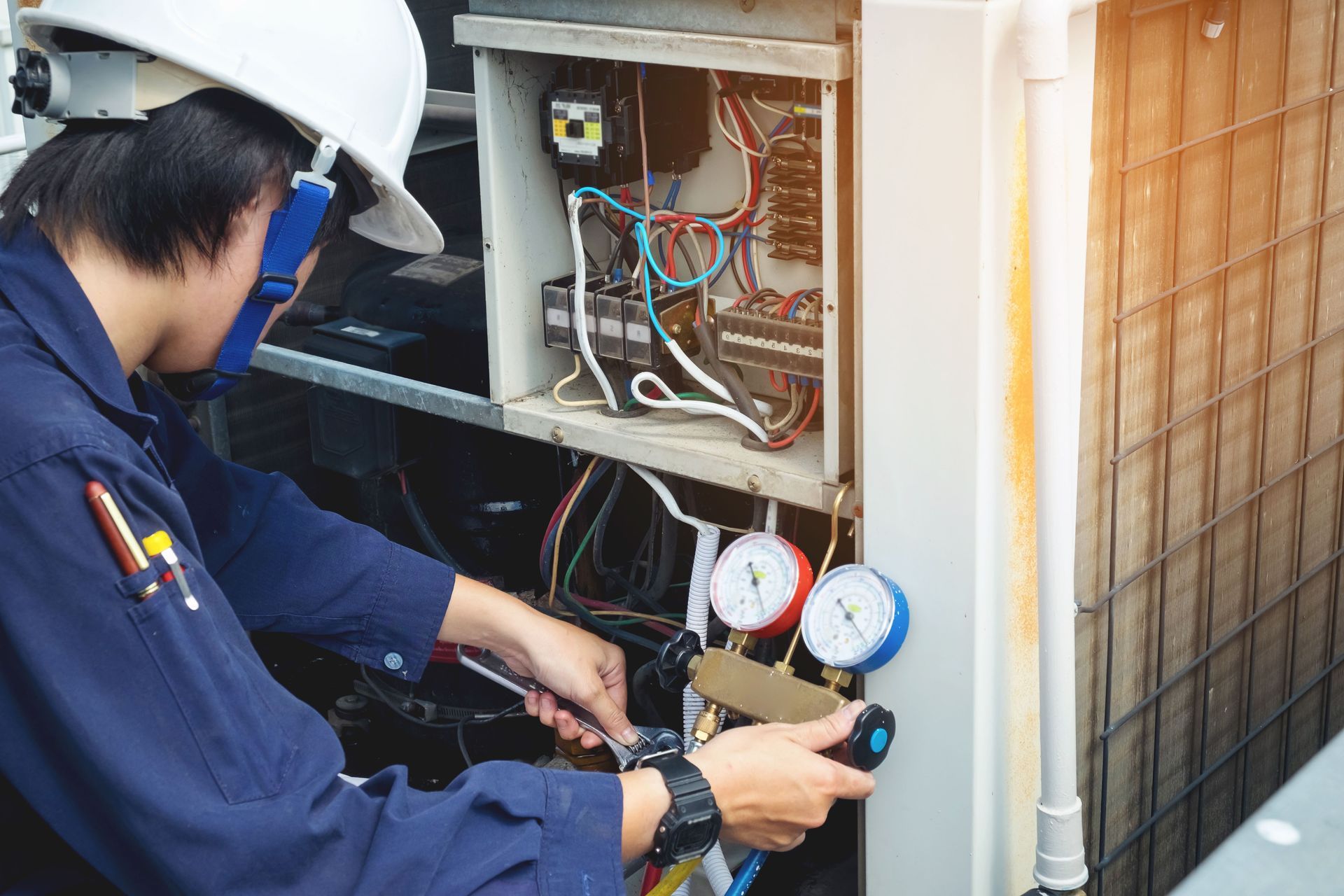
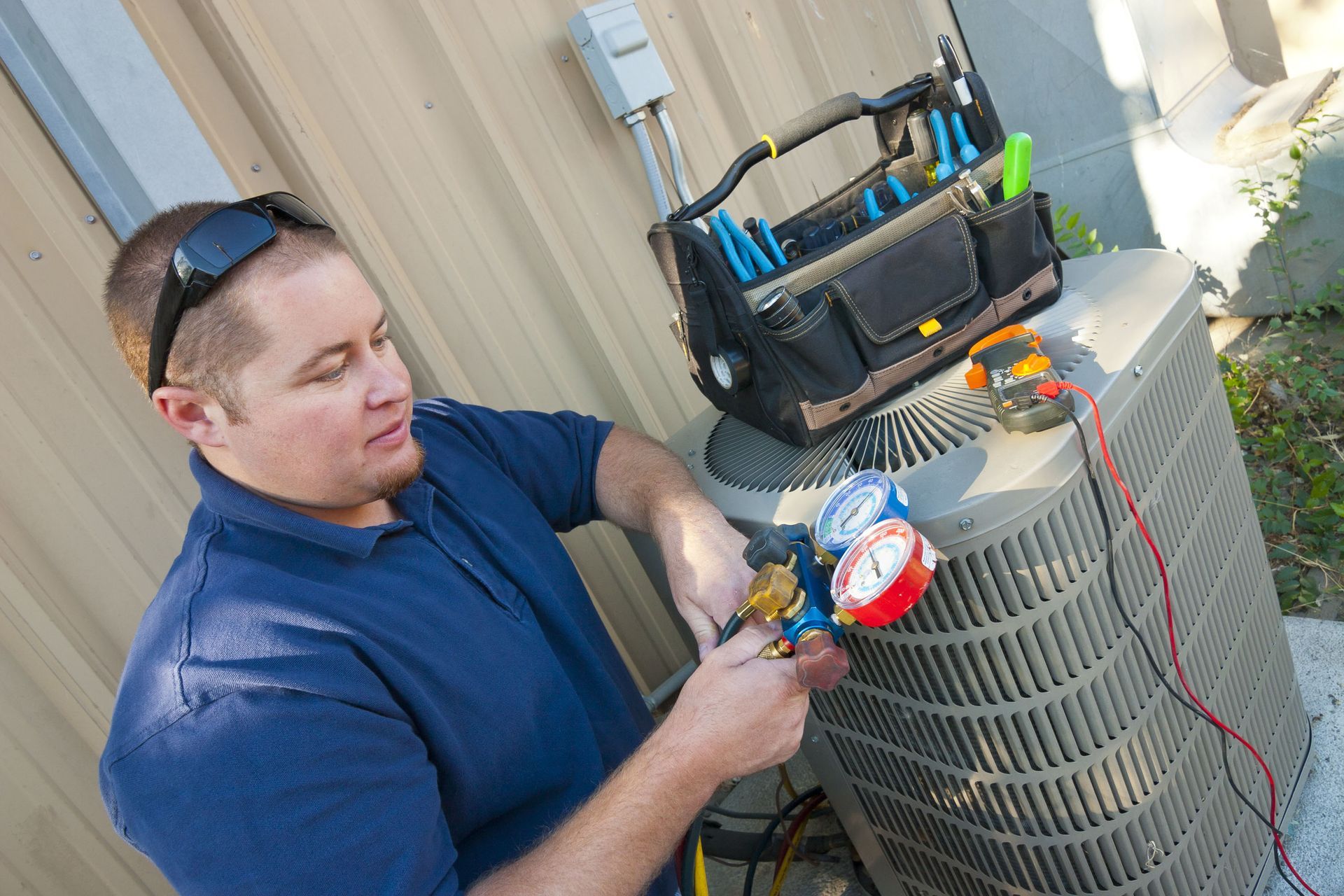
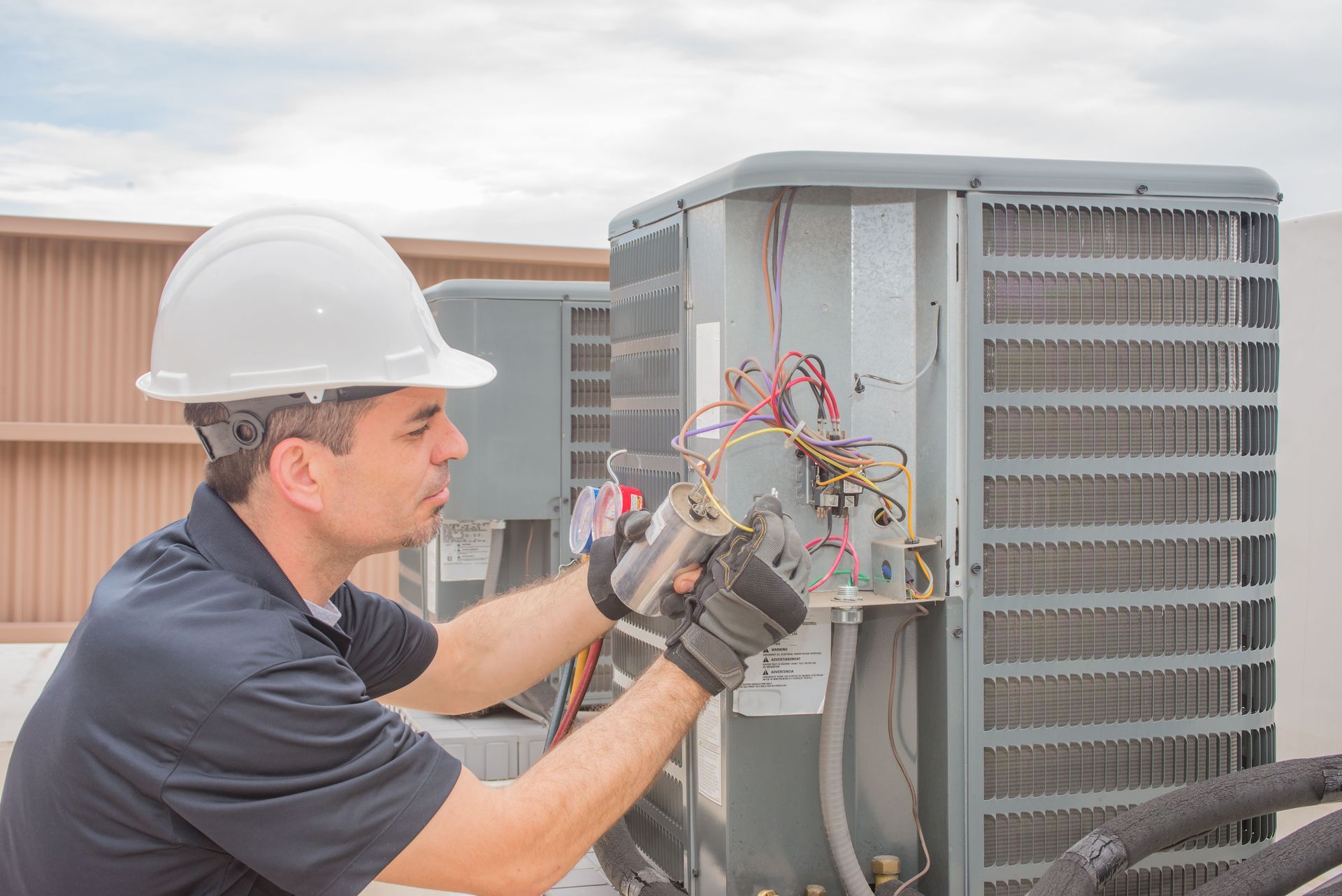
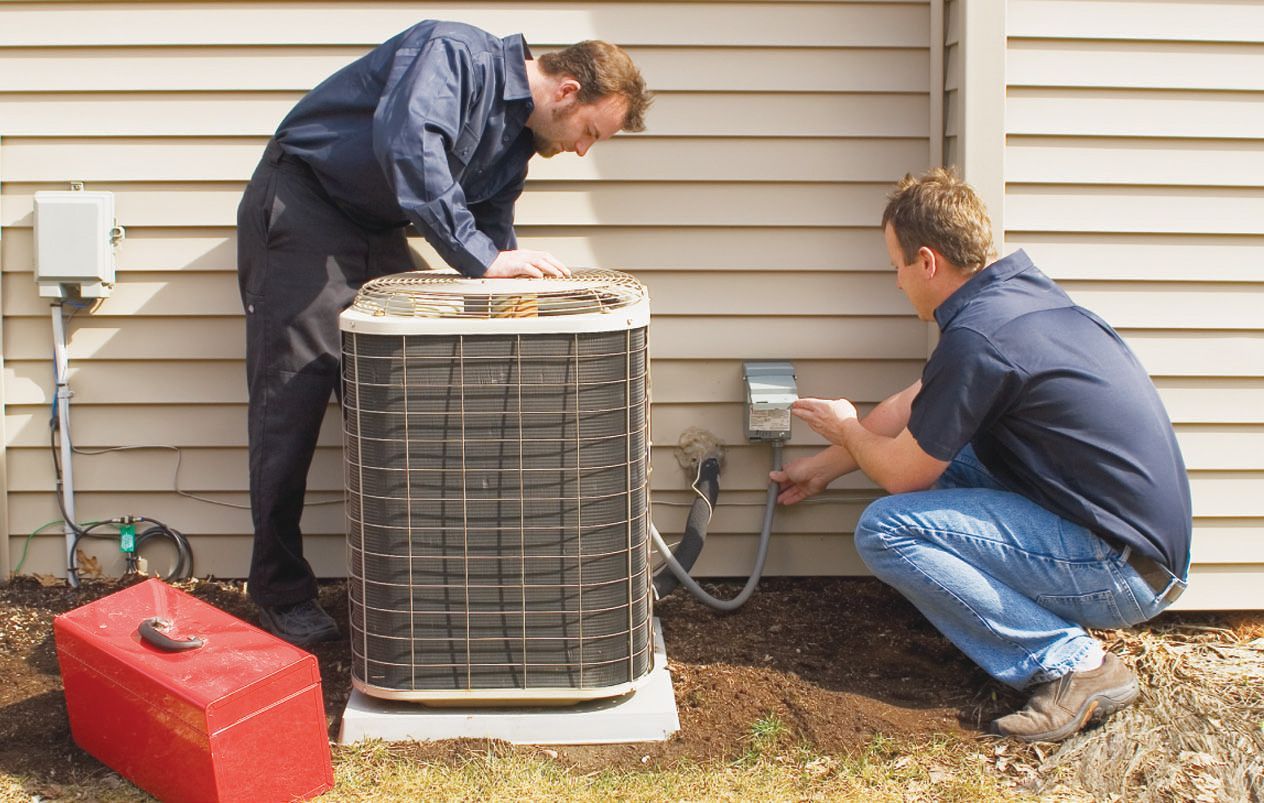
Routine inspections are one of the most effective ways to prevent unexpected breakdowns and avoid costly air conditioner repair emergencies. During a professional visit, a technician inspects electrical components, refrigerant levels, coils, and airflow performance. Addressing minor wear early prevents larger mechanical failures later.
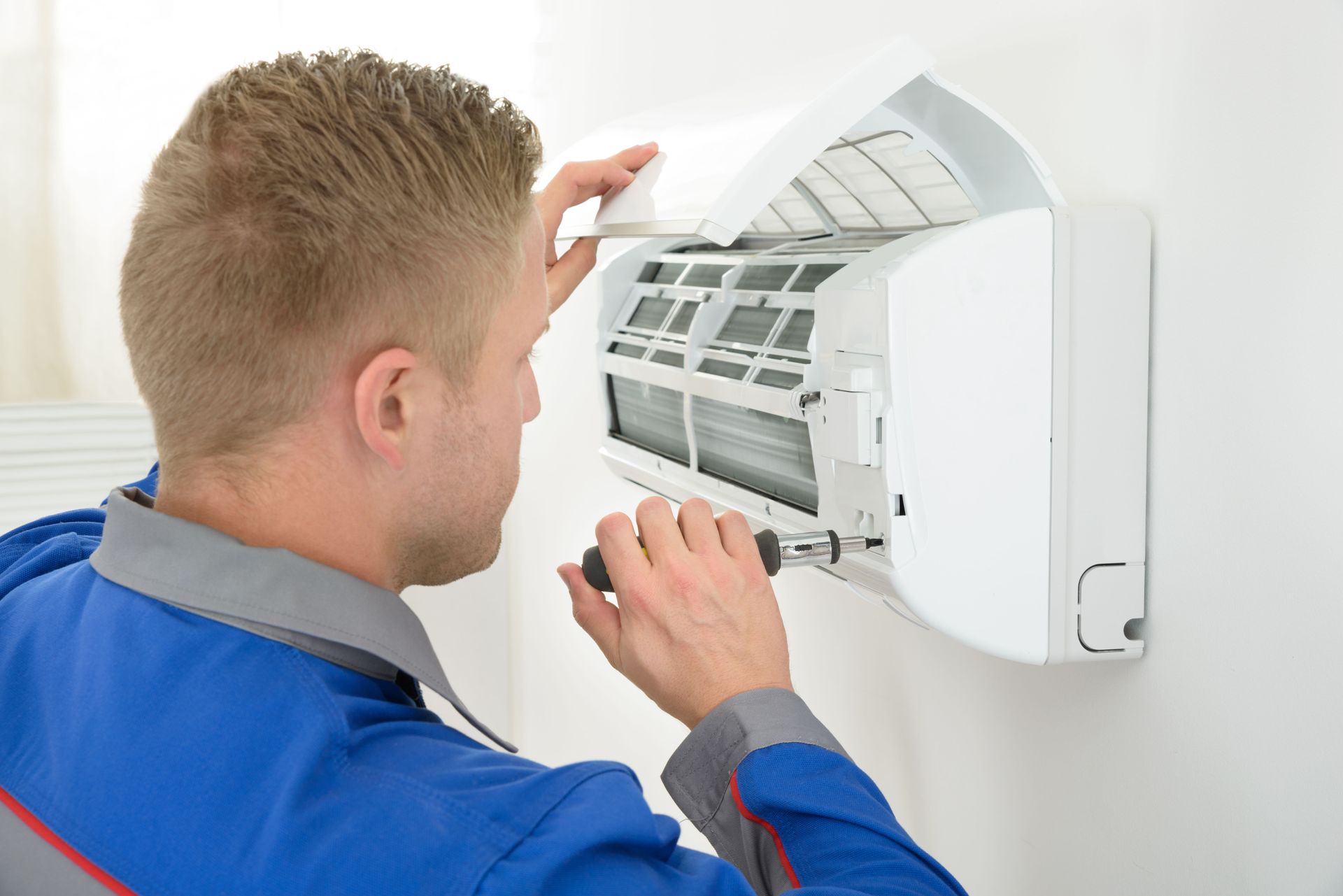
Residential AC services help extend equipment life and maintain steady cooling performance. When internal parts remain clean and calibrated, your system runs more efficiently and uses less electricity. Consistent service appointments also reduce the likelihood of sudden shutdowns during peak summer heat.
Replace Air Filters Consistently
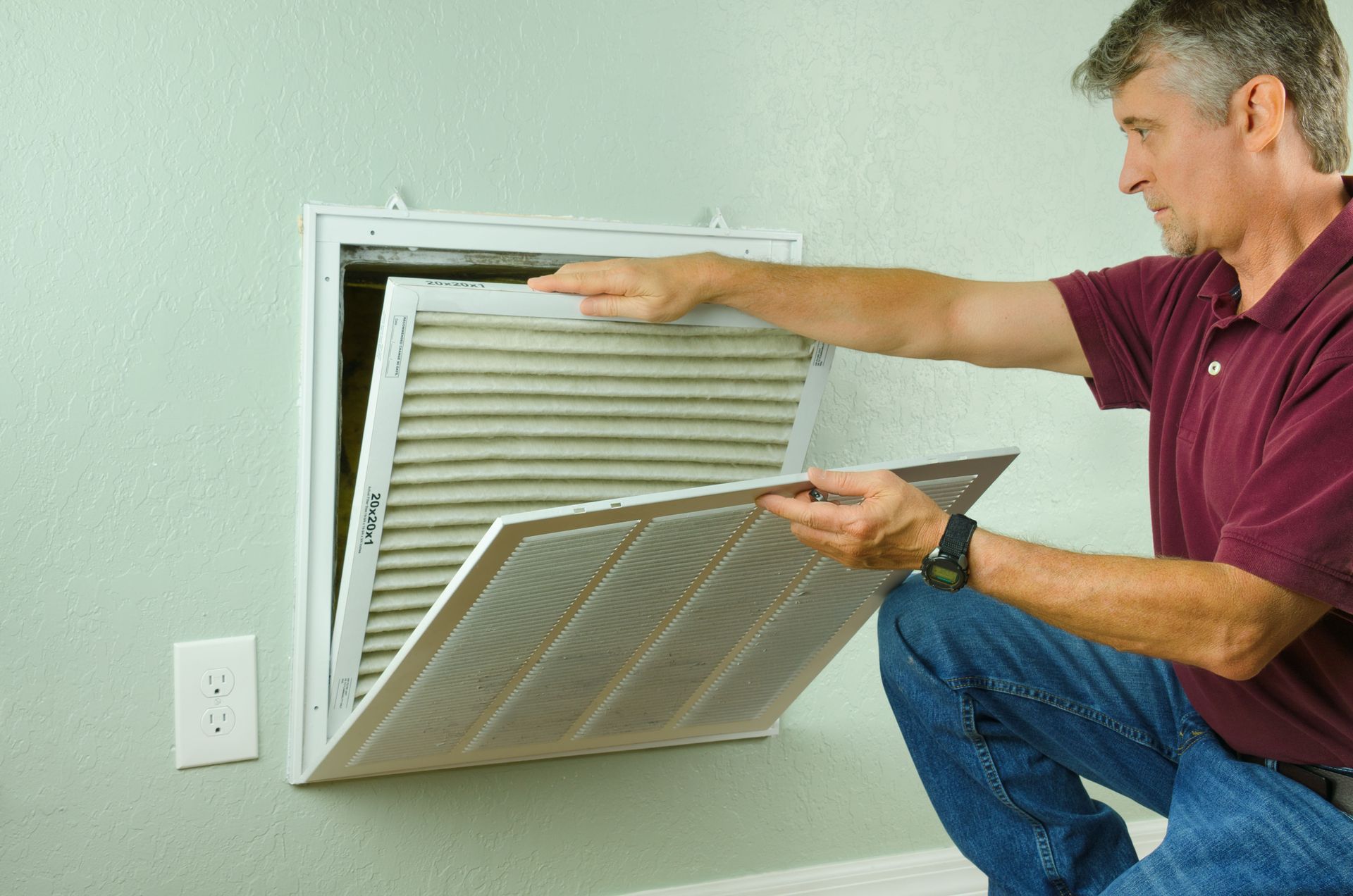
Clogged filters restrict airflow and force your system to work harder than necessary. Replacing or cleaning filters every few months allows air to circulate freely through the system. Improved airflow reduces strain and helps prevent avoidable air conditioner repair needs caused by overheating or frozen coils.
Clean filters also improve indoor air quality. Dust, pollen, and debris collect quickly, especially during high-use seasons. Staying on schedule with filter changes supports both comfort and energy efficiency throughout the year.
Seal Ducts and Air Leaks
Air loss through leaky ductwork or poorly sealed windows wastes cooled air before it ever reaches living spaces. Inspecting accessible duct connections and sealing visible gaps helps keep conditioned air inside the home. Reduced leakage allows your system to cycle less frequently, lowering wear and minimizing future AC repair concerns.
Weatherstripping doors and sealing cracks around windows further stabilize indoor temperatures. Preventing unwanted heat transfer keeps cooling demands steady and manageable, particularly during extreme summer conditions.
Optimize Thermostat Settings
Thermostat adjustments directly influence how often your system runs. Setting temperatures slightly higher when away from home reduces unnecessary cooling cycles. Even a small increase of a few degrees can lower monthly utility expenses without sacrificing comfort.
Programmable and smart thermostats provide automated scheduling options that adapt to daily routines. Consistent temperature management decreases operational strain and reduces the likelihood of performance-related air conditioner repair visits caused by overuse.
Improve Home Insulation
Adequate insulation plays a crucial role in keeping cooled air inside your home. Attics, walls, and crawl spaces should be evaluated periodically to ensure they meet current efficiency standards. Weak insulation allows heat intrusion, forcing your cooling equipment to run longer cycles.
Upgrading insulation materials strengthens temperature control and reduces overall demand on the system. When cooling equipment operates efficiently, it experiences less wear, which can help delay major AC repair or component replacement.
Use Ceiling Fans Wisely
Ceiling fans support airflow and distribute cooled air more evenly throughout each room. Improved circulation allows homeowners to raise thermostat settings slightly while maintaining comfort. Fans use far less electricity than central cooling systems, making them a cost-effective supplement.
Running fans counterclockwise during summer pushes air downward, enhancing the cooling effect. This simple adjustment reduces the burden on your system and supports long-term efficiency goals.
Reduce Heat Gain From Sunlight
Sunlight streaming through windows increases indoor temperatures and forces cooling systems to compensate. Closing blinds or thermal curtains during peak daylight hours limits heat buildup. Exterior shading solutions, such as awnings, also block solar heat before it enters the home.
Landscaping choices, including strategically planted shade trees, provide additional long-term protection. Lower indoor heat gain translates into shorter cooling cycles and fewer system interruptions requiring professional AC repair services.
Upgrade Aging Equipment
Older air conditioning systems often operate at lower efficiency levels compared to modern units. Evaluating equipment age and performance can reveal whether repairs or system replacement provides better long-term value. Residential AC services include professional assessments that determine whether continued AC repair is cost-effective.
High-efficiency systems use advanced components designed to reduce electricity consumption while delivering steady cooling output. Investing in updated equipment may significantly reduce monthly energy bills and limit future mechanical issues.
Ensure Proper System Sizing
An improperly sized unit can create ongoing performance challenges. Systems that are too small struggle to maintain temperature, while oversized units cycle on and off too frequently. Both situations increase wear and energy use.
Professional load calculations determine the correct system capacity for your home’s square footage and layout. Proper installation and calibration prevent avoidable AC repair visits caused by inefficient operation or premature component failure.
Monitor System Performance
Paying attention to unusual noises, uneven cooling, or sudden increases in utility bills provides early warning signs of potential trouble. Addressing these concerns promptly prevents further damage. Quick response to minor issues often reduces the scope and cost of necessary ac repair. Regularly tracking system performance also helps identify patterns that may indicate gradual wear or inefficiencies before they become serious problems.
Seasonal inspections combined with attentive monitoring allow homeowners to maintain steady performance year-round. Proactive service reduces emergency disruptions and preserves indoor comfort during peak cooling periods.
Improve Ventilation and Airflow
Balanced airflow supports even temperature distribution throughout the home. Keeping vents open and unobstructed ensures each room receives adequate cooling. Blocked vents create pressure imbalances that strain the system.
Kitchen and bathroom exhaust fans also help remove excess heat and humidity. Managing moisture levels reduces total cooling demand and improves overall comfort. Effective ventilation strategies contribute to lower operating costs and consistent system performance.
Plan Long-Term Energy Strategies
Energy efficiency improvements work best when implemented together. Combining insulation upgrades, thermostat optimization, and regular professional service creates cumulative savings over time. Each adjustment reduces system workload and limits unnecessary strain.
Homeowners who prioritize scheduled air conditioner repair and preventive maintenance benefit from smoother operation and improved reliability. Over time, reduced breakdown frequency and lower electricity use translate into meaningful financial savings.
Improving cooling efficiency is not about making one dramatic change. It involves a series of practical steps that work together to reduce system strain, improve airflow, and support dependable performance. From insulation upgrades to thermostat adjustments and scheduled AC repair, each action plays a role in lowering electricity use and protecting equipment longevity.
When cooling equipment operates efficiently, it delivers consistent comfort while avoiding unnecessary wear. Investing in preventive care today can reduce emergency repairs tomorrow and help maintain steady indoor temperatures during the hottest months of the year. If your system needs professional attention or routine service, we at JLS Mechanical HVAC, LLC provide residential AC services designed to keep your equipment running efficiently and reliably. Contact us to schedule service and take the next step toward better comfort and controlled energy costs.


Share On: